A groundbreaking vision is unfolding along the historic Kallang River, promising to redefine urban living in Singapore. The Urban Redevelopment Authority (URA) is spearheading a meticulously revised master plan for the Kampong Bugis precinct.
This ambitious project is set to transform the 17.4-hectare site into a vibrant, sustainable, and community-centric town of approximately 4,000 new homes.
More than just a housing development, this revitalised plan represents a paradigm shift, creating a dynamic ecosystem where lifestyle, nature, and urban convenience converge seamlessly.
This redevelopment is a cornerstone of the URA’s long-term strategy to rejuvenate key areas around the city’s fringe.
By unlocking the latent potential of the Kallang River’s waterfront, the Kampong Bugis precinct is poised to become a landmark destination, setting a new global standard for high-density, high-livability urban design that will be watched by city planners worldwide.

A Renewed Blueprint: From Concept to Community
The journey to rejuvenate Kampong Bugis has evolved strategically to ensure its success. The initial concept involved appointing a single master developer to oversee the entire 8.2-hectare main plot.
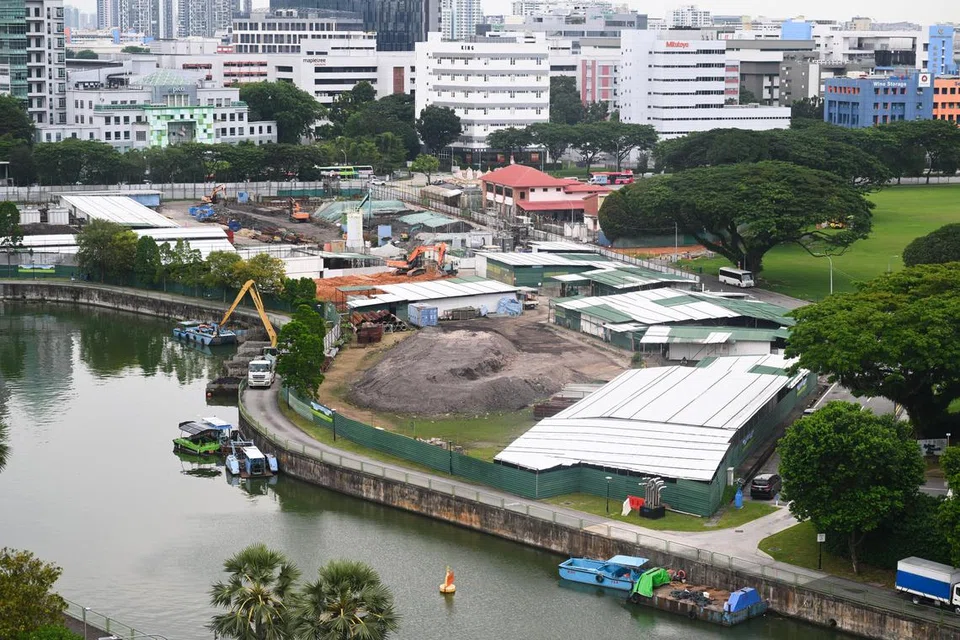
However, this approach was reimagined to better manage the site’s unique complexities, particularly the delicate and time-consuming remediation of the former Kallang Gasworks, a crucial step to ensure the land is safe for residential use.
Under the revised strategy, the government will now take a proactive, hands-on role. State agencies will lead the crucial preparatory stages, including comprehensive land preparation and the implementation of essential infrastructure.
This includes building a new, intelligent road network, laying down advanced utilities, and creating the foundational public spaces and lush parklands. This government-led approach de-risks the project for future private developers, who will later be invited to bid for smaller, more manageable land parcels.
This ensures a more agile and diverse development, preventing a monolithic design and encouraging a rich tapestry of architectural styles and innovative housing concepts from various industry players.
The land-use plan itself has been fine-tuned with a focus on creating a vibrant, human-scale environment. Previous ‘white sites’ have been rezoned into a dynamic mix of dedicated residential plots and mixed-use buildings.
A key feature of this new zoning is the requirement for commercial spaces on the ground floor of many buildings. For residents, this means unparalleled convenience, with cafes, bakeries, boutique shops, clinics, and grocery stores potentially right at their doorstep, fostering a lively, walkable streetscape that encourages spontaneous community interaction.

The Allure of a Riverside Lifestyle 🏞️
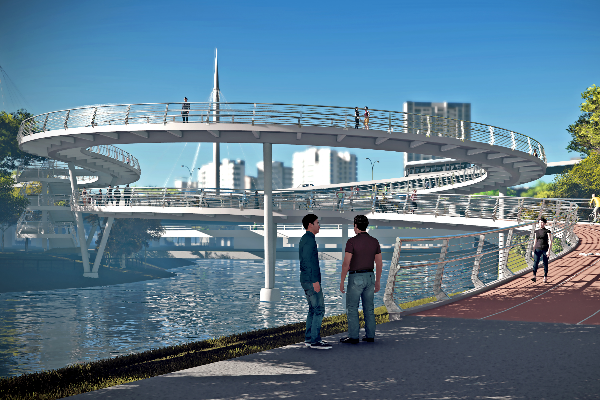
The soul of Kampong Bugis lies in its unique relationship with the Kallang River. The entire precinct is being designed to embrace its waterfront setting, making the river an extension of the residents’ living space.
Residents will enjoy stunning, unobstructed views and direct access to the river’s edge. This development is a pivotal piece in the larger “Friends of Kallang River” initiative, a movement to transform the entire river corridor into a bustling lifestyle hub for all Singaporeans.
Imagine starting your day with a jog along a lush, tree-lined riverfront promenade as the water glimmers in the morning sun, kayaking in the calm waters in the afternoon, and enjoying dinner at a waterfront restaurant under the stars.
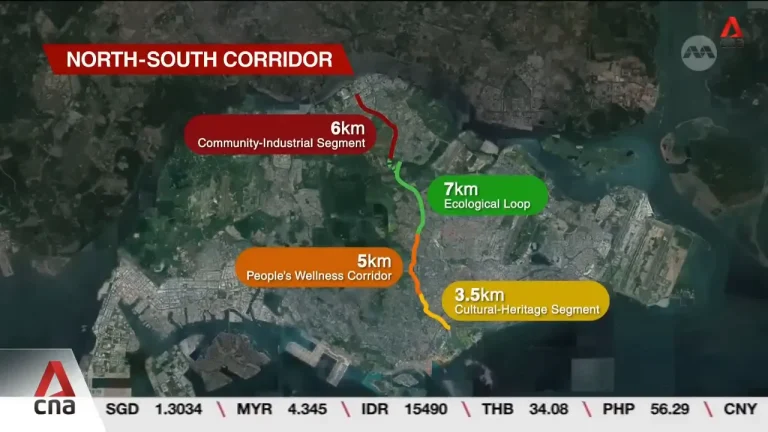
The plan integrates an extensive network of parks, green corridors, and recreational facilities. The existing Kallang Park Connector will be enhanced, creating a seamless cycling and pedestrian artery that connects residents to the Singapore Sports Hub, Gardens by the Bay, and the central business district.
The vision includes water taxis and other water-based transportation, further enhancing the unique lifestyle offering. The preservation and celebration of the iconic Old Kallang Airport building as a central lifestyle hub will add a touch of historical charm to this modern metropolis.

A Commitment to Next-Generation Sustainability 🍃
Kampong Bugis is engineered to be a model for sustainable urbanism. The “car-lite” philosophy is at its core, but it goes far beyond simply reducing vehicle dependency. The precinct’s design actively prioritises people over cars, creating a healthier and more serene living environment.
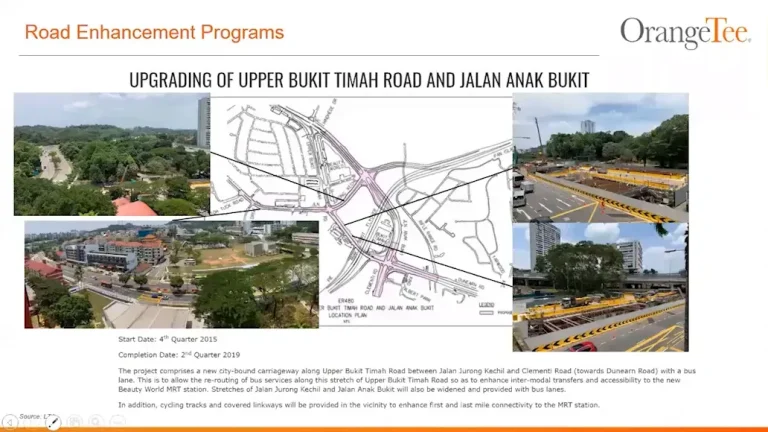
- Seamless Connectivity: The area is strategically located between the Lavender and Kallang MRT stations. A comprehensive network of sheltered, well-lit walkways and dedicated cycling paths will ensure that reaching public transport is a safe and pleasant experience, regardless of the weather.
- Reduced Parking: Parking facilities will be consolidated in shared hubs, freeing up valuable ground-level space for parks, community gardens, playgrounds, and public plazas rather than sterile surface car parks. This also reduces noise and air pollution within the residential core.
- Smart Infrastructure: The development will incorporate advanced environmental technologies. This includes a district-wide pneumatic waste conveyance system for efficient and hygienic trash disposal, extensive rainwater harvesting for landscaping and non-potable uses, and mandating high green building standards (such as the BCA Green Mark Platinum) for all structures to ensure exceptional energy and water efficiency.
This forward-thinking approach aligns with the “15-minute city” concept, where essential services, work, and leisure are all accessible within a 15-minute walk or cycle.
This not only slashes the carbon footprint but also significantly enhances the quality of life, giving residents more time to spend on what truly matters.

A new underpass will provide a seamless and safe crossing under Kallang Bahru. Image Source from URA
What This Means for Singapore’s Urban Future
The evolution of the Kampong Bugis plan is a microcosm of Singapore’s adaptive and innovative approach to city-building.
It demonstrates a move towards more collaborative development models, where the government lays the groundwork to facilitate thoughtful private sector participation, ensuring long-term success and coherence.
This project serves as a crucial testbed for urban solutions that will be scaled and applied to future large-scale redevelopments like the Greater Southern Waterfront and the Paya Lebar Air Base.
It addresses the critical challenge of increasing housing supply in the desirable city-fringe (Rest of Central Region – RCR) while simultaneously enhancing livability and sustainability.
The successful realisation of Kampong Bugis will provide a powerful new template for how cities can grow in density while becoming greener, more connected, and more community-focused, ultimately shaping a better quality of life for future generations.
Frequently Asked Questions (FAQs)
Here are answers to some common questions about the exciting Kampong Bugis development:
1. Where exactly is the Kampong Bugis precinct located?
The precinct is a 17.4-hectare site bounded by the Kallang River to the north and east, Kallang Road to the south, and Crawford Street to the west.
It’s strategically positioned between the Kallang and Lavender MRT stations, offering excellent connectivity to the city and the rest of Singapore.
2. What kind of housing can we expect in Kampong Bugis?
The plan is for approximately 4,000 private residential units. These will likely be spread across a variety of condominium developments on the land parcels sold to private developers.
The URA’s master plan encourages a mix of unit types to cater to different household sizes, from singles and couples to multi-generational families.
3. When will the Kampong Bugis homes be ready for completion?
Development will be phased over the next decade. The initial phase involves extensive site preparation and infrastructure works by the government. The first land parcels are expected to be released for sale to developers from 2025 onwards.
Therefore, the first residential launches could potentially happen around 2026-2027, with the first homes likely to be completed after 2030.
4. How will the “car-lite” vision actually be implemented?
The car-lite strategy is multi-faceted. It includes:
- Excellent Public Transport: High-quality walking and cycling connections to two major MRT lines (East-West Line and Downtown Line).
- Active Mobility: A comprehensive network of dedicated and separated paths for walking, jogging, and cycling.
- Reduced Parking: Limiting the number of private parking spots and consolidating them into shared facilities.
- Convenience: Designing the precinct so that daily needs (groceries, food, childcare) are within a short walk, reducing the need for car travel.
5. What makes Kampong Bugis different from other new developments?
Three key factors set it apart:
- Scale and Vision: It’s not a single condominium project but a master-planned precinct, ensuring a cohesive and well-integrated environment.
- Waterfront Focus: Unlike many urban developments, its identity is intrinsically linked to the Kallang River, with design and amenities centred around the water.
- Pioneering Sustainability: It will be one of the most ambitious car-lite and sustainable districts in Singapore, serving as a blueprint for future developments.
6. Will the heritage of the Kampong Bugis and Kallang area be preserved?
Absolutely. While a modern precinct is being built, the URA is deeply conscious of the area’s rich history. The iconic Kallang Gasworks structures, for instance, are being studied for conservation and potential repurposing as unique landmarks within the new parks.
The broader history of the Kallang River as the “cradle” of early Singaporean communities and the site of the nation’s first civil international airport (Old Kallang Airport) will be woven into the precinct’s narrative through heritage trails, interpretive signage, and public art installations, ensuring that the stories of the past enrich the living experience of the future.
7. What are the investment prospects for properties in Kampong Bugis?
While investment decisions are personal, the precinct has strong fundamentals. Its prime city-fringe location, government-led infrastructure investment, unique waterfront lifestyle proposition, and long-term rejuvenation plans for the entire Kallang area point towards strong potential for capital appreciation.
Being part of a transformative, master-planned district often carries a premium over standalone projects, making it a compelling consideration for discerning buyers and investors.
Disclaimer: The information provided here is for general guidance only. PropsBit.com.sg does not endorse or guarantee its suitability or accuracy for your specific situation. Although we strive to ensure the content is accurate and reliable at the time of publication, it should not substitute personalised advice from a qualified professional. We strongly recommend not relying solely on this information for financial, investment, property, or legal decisions, and we disclaim any responsibility for decisions made based on this content.
This website’s information is meant solely for general informational use. PropsBit.com.sg and its authors disclaim all liability and responsibility to any individuals or organisations for any outcomes resulting from the use of this website’s content or the information presented here. PropsBit.com.sg reserves the right to add, remove, or change the website’s content at any time without prior notice.