
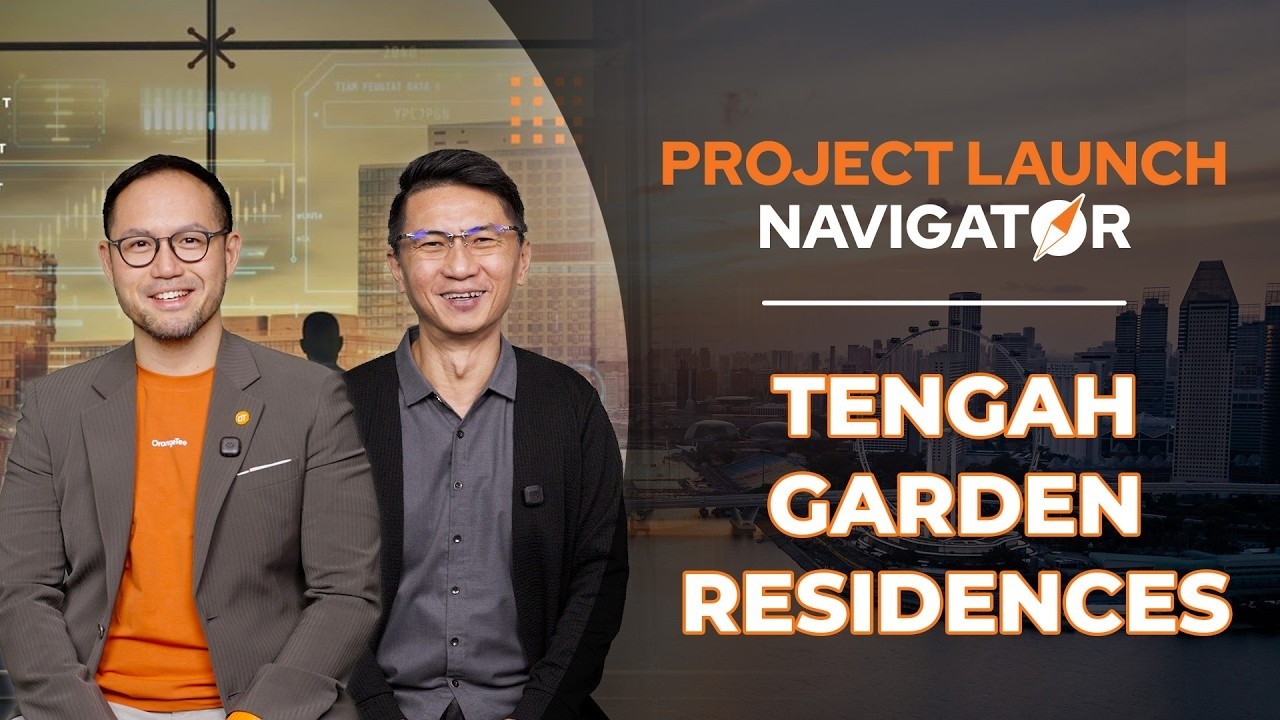
If you are considering buying in Singapore’s first forest town, a Tengah Garden Residences Review has to answer three practical questions, not just lifestyle vibes. How much can capital grow? How reliably does the project make money for existing owners? And if you are planning to rent out later, what kind of rental uplift is realistic?
The good news is that the numbers already exist in the broader market. In districts that are structurally similar in terms of leasehold condo demand and investor behaviour, we can look at historical outcomes and translate what they may mean for a new launch in District 24, especially one sitting near an upcoming transport node.
Let’s break down the key investment signals, then connect those signals to the “forest town” idea behind Tengah Garden Residences and the Hong Kah MRT (Jurong Region Line) positioning that many buyers find compelling for 2026.
Table of Contents
- 1) Expected Capital Appreciation: What District 22 and 23 Have Actually Done 📈
- 2) Profitability First: Most Leasehold Transactions End Up Positive 💰
- 3) Rental Returns: The Missing Piece Buyers Should Not Ignore 🏠
- 4) The 2026 Catalyst Angle: Infrastructure Creates Demand Momentum 🚇
- 5) Tenggah Garden Residences Concept: Forest Town Is the Town-Making Strategy 🌳
- 6) Connectivity That Feels “Seamless”: Hong Kah MRT at Your Doorstep 🧭
- 7) Mixed-Use Living: Convenience, Community, and Lasting Value 🛍️
- 8) What This Means for Your Investment Thesis (Without Overpromising) ⚖️
- 9) Practical Buyer Guidance: How to Think About Returns 🔍
- 10) Video Embed
- FAQ: Tengah Garden Residences Review Questions Buyers Ask Most ❓
- Final Thoughts: The Best Tengah Garden Residences Review Conclusion Is a Question 🧠
1) Expected Capital Appreciation: What District 22 and 23 Have Actually Done 📈
In any property review, the most comforting words are usually the most boring ones: consistent price growth. When buyers keep paying higher prices over time, it suggests demand is not just speculative. It is durable.
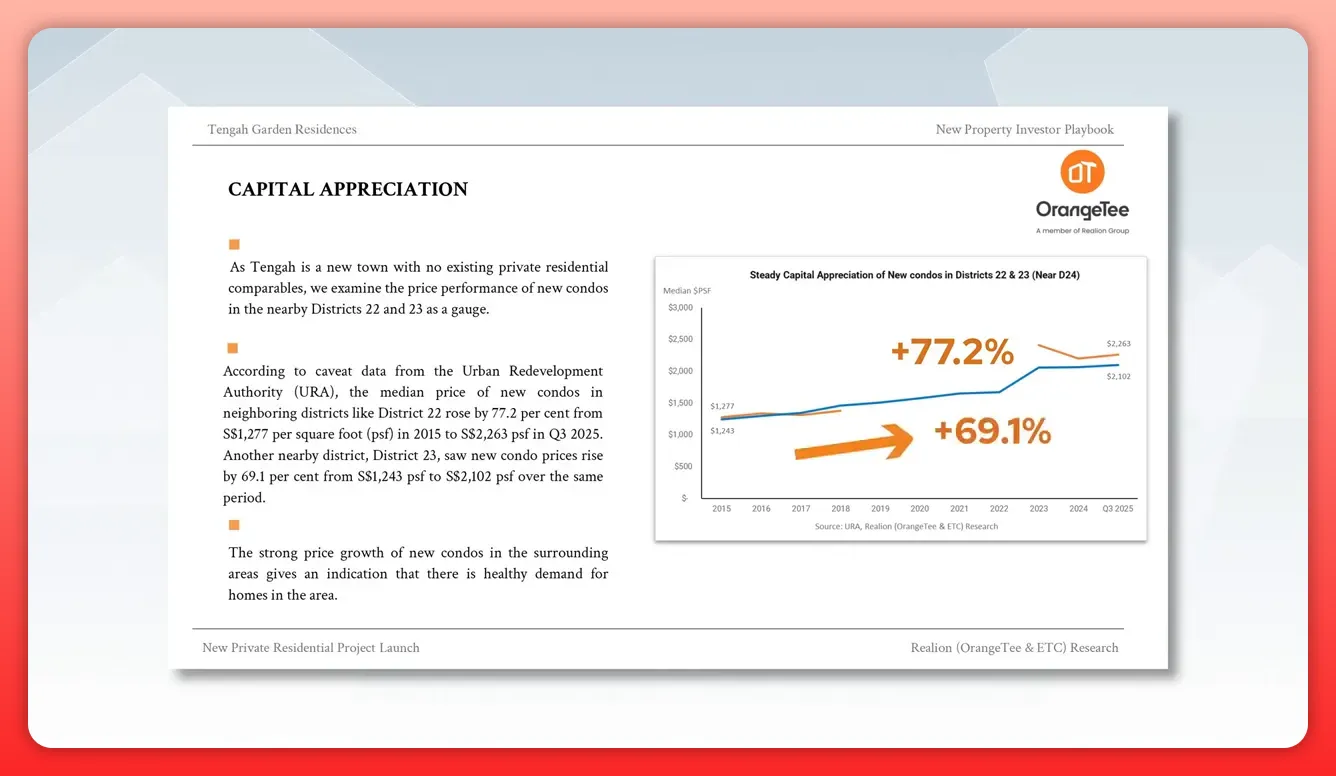
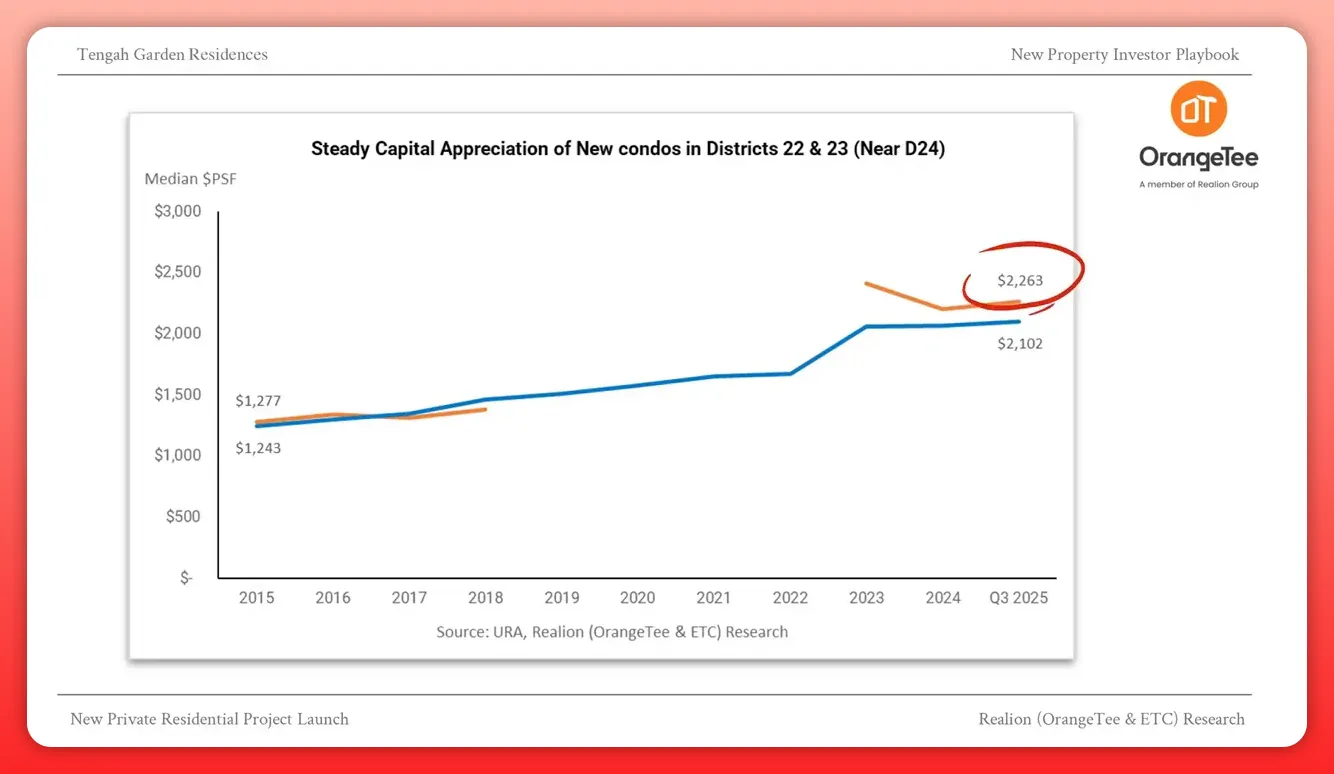
As of Q3 2025, median prices of new condos in District 22 and District 23 had risen by about 77% and 69% over the past decade. This is not a short-term spike. It is a long-run trend.
Looking at URA data more specifically:
- District 22: median price of new condos increased from 1,277 PSF (2015) to 2,263 PSF (Q3 2025).
- District 23: median price of new condos rose from 1,243 PSF (2015) to 2,102 PSF (Q3 2025).
What does that mean for a leasehold buyer today?
It means investors have historically shown up for condos in these districts through different phases of market sentiment, which typically matters more than forecasting “peak to peak” returns. Even if the pace varies by cycle, the baseline is that demand for newer units in those areas has remained strong.
If you are trying to decide whether Tengah Garden Residences has a believable path to capital growth, this is the question to ask:
Does the new launch sit in a neighbourhood trajectory that mirrors where buyers previously wanted to live?
Tengah’s master plan and transport-led development suggests it is trying to create exactly that kind of long-term demand engine.
2) Profitability First: Most Leasehold Transactions End Up Positive 💰
Price appreciation is one side of the investment story. The other side is profitability, meaning whether owners actually realise gains after considering the real-world process of buying and selling.
Over the decade, more than 95% of leasehold transactions in the relevant set of projects were profitable. That is a striking statistic, and it tells you something important about investor behaviour: even when entry prices are not cheap, buyers are still often able to exit above their purchase cost.
Now let’s look deeper into how many units performed very strongly.
- Over 21% of the profitable units (which translates to 137 condos) generated gross profits of at least $300,000.
- 28 units generated at least $500,000 in gross profits.
- 10 units generated at least $700,000.
Those numbers matter because they indicate an uneven but meaningful distribution of outcomes. Most units may do fine, but a measurable portion can do exceptionally well, usually when timing, unit attributes, and buyer sentiment align.
Real examples of “high-end” outcomes 🧾
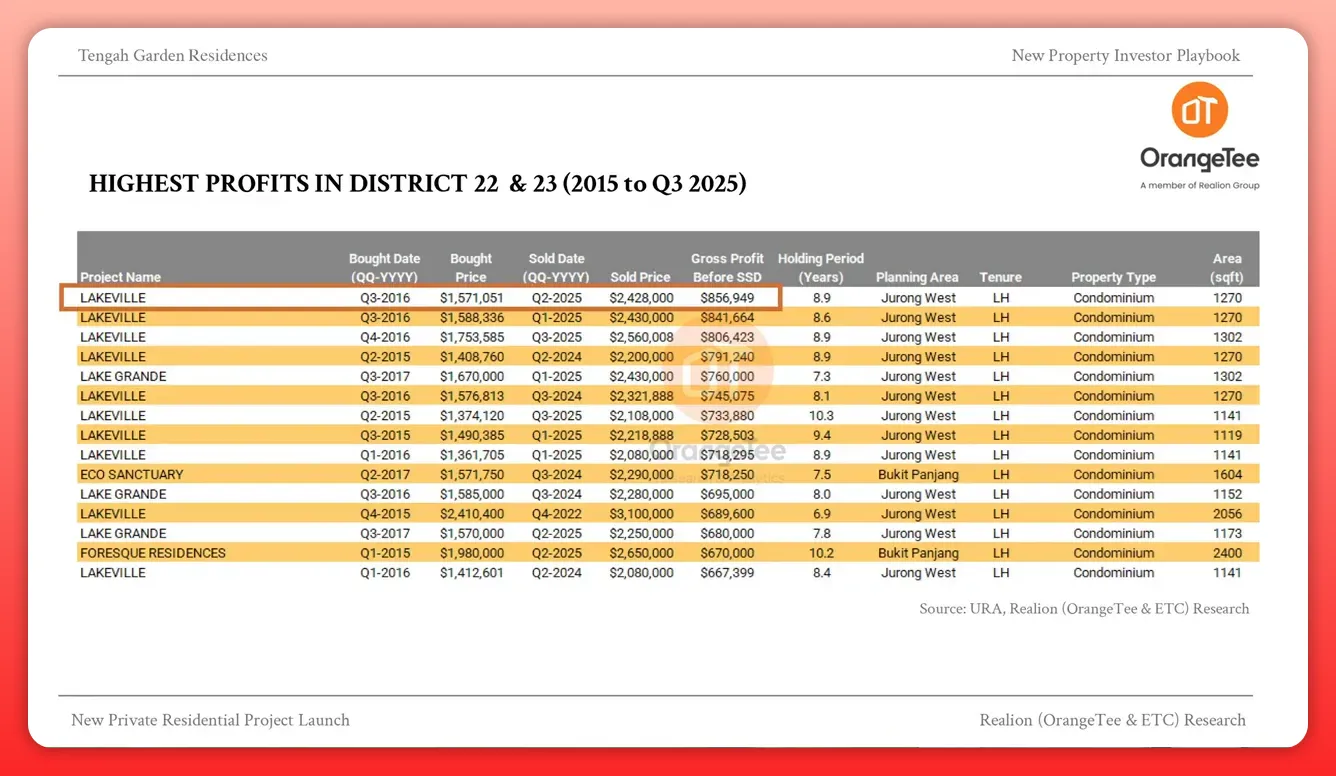
The strongest profit recorded in the District 22 and 23 dataset involved a unit at Lakeville. It was:
- Purchased for $1.57 million in 2016
- Resold for $2.43 million in 2025
- Gross profit of over $850,000
A similar record within the same condo was:
- Purchased for $1.59 million in 2016
- Resold for $2.43 million in 2025
- Gross profit of over $840,000
These are not “average” cases. They are reminders that leasehold demand can reward both good sourcing and good market timing. For a future buyer like you, the takeaway is not “copy this exact path”. The takeaway is to recognise that there is historical evidence of large gains being achieved in the same general segment of new launch condos.
When you evaluate Tengah Garden Residences, the better approach is to ask what variables will influence whether it belongs in the “good outcome” cohort:
- Access and connectivity (especially rail, not just roads)
- Neighbourhood desirability created by town planning and amenities
- Product-market fit (target end-users and renters)
- Liquidity over time
3) Rental Returns: The Missing Piece Buyers Should Not Ignore 🏠
Many buyers focus on capital growth. But if you buy with investment intent, you also need an exit or a hold strategy. Rental yield and rental uplift can reduce risk and help smooth the holding period.
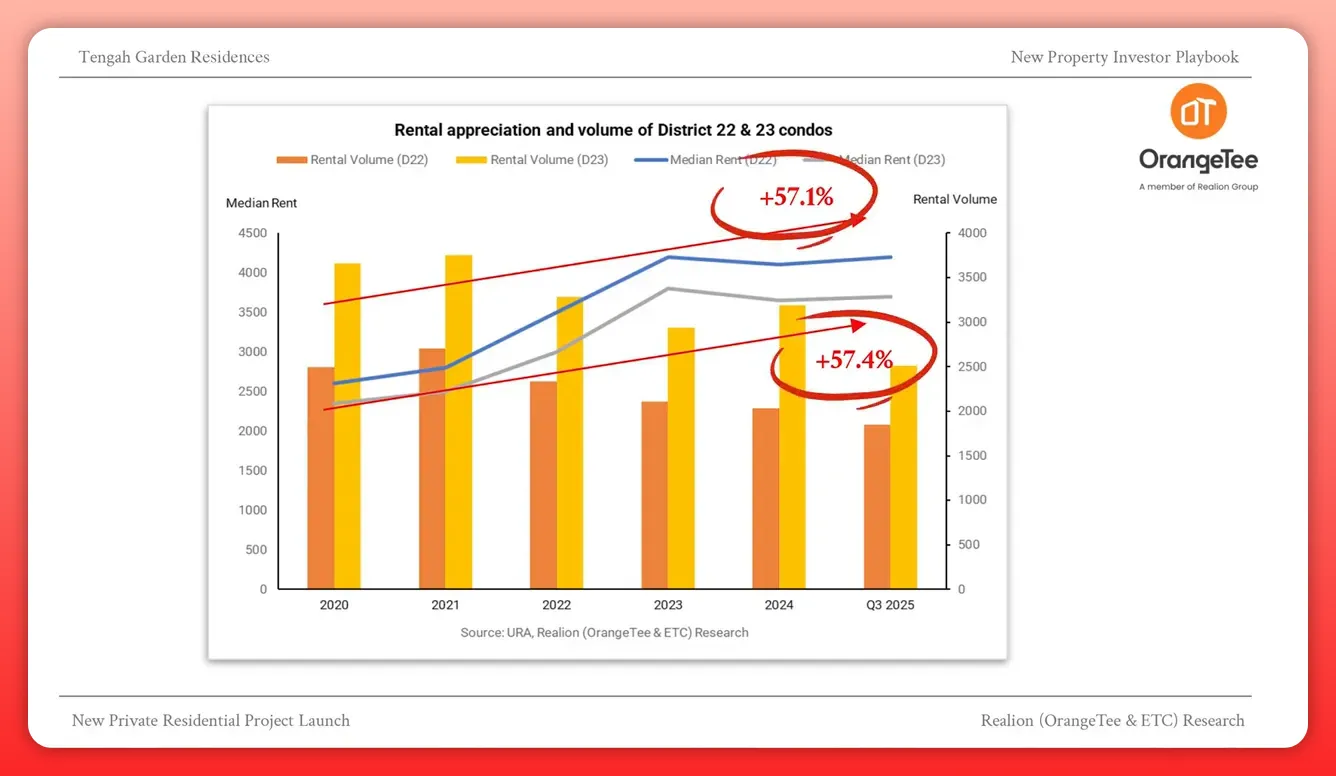
District 22 and 23 have seen remarkable rental growth, with median condo “ramp” increases of about 57% for both districts from 2020 to Q3 2025.
Rental growth like this often reflects two things happening at the same time:
- More tenants wanting to live in these areas as amenities and connectivity improve
- Existing supply being insufficient or not being replaced at the same pace with newer product, so landlords gain pricing power
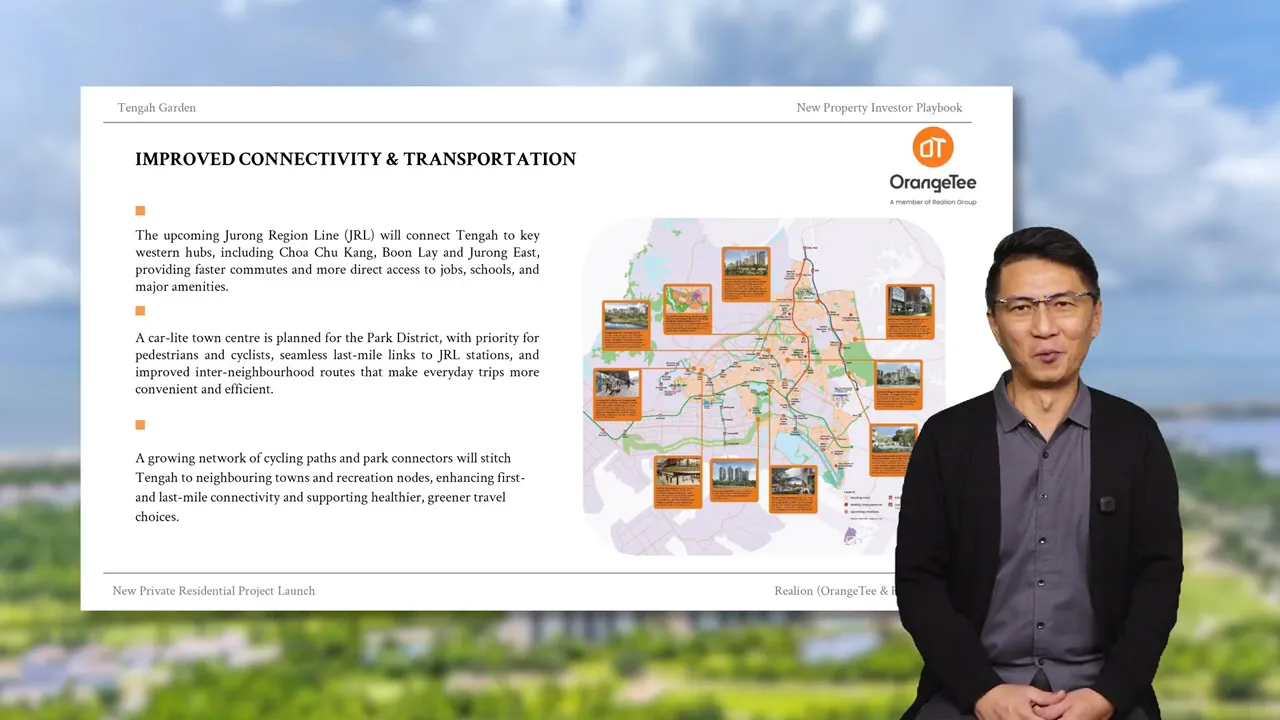
It also tends to align with infrastructure milestones. The transcript highlights an important timeline point: the first phase of the Jurong Region Line is slated for completion in 2026.
That matters because the rental market often “re-rates” around clearer connectivity outcomes. Once rail becomes real rather than projected, tenants decide faster, and landlords can justify higher asking rents.
Why this is relevant to Tengah Garden Residences Review 🔗
Tengah Garden Residences is positioned near the upcoming Hong Kah MRT station on the Jurong Regional Line. Even if your unit is not yet near-completion, the logic is similar:
- Rail completion makes commuting predictable
- Predictability attracts tenants and owner-occupiers
- Higher tenant demand supports higher rental pricing
In other words, rental growth is not just about landlords being optimistic. It is about demand fundamentals becoming stronger due to infrastructure.
4) The 2026 Catalyst Angle: Infrastructure Creates Demand Momentum 🚇
Property outcomes are rarely driven by one single factor. They are usually a stack of drivers, and infrastructure is one of the biggest.
The districts discussed show a rental ramp trend up to Q3 2025, and the transcript points to the forward-looking catalyst: first phase of JRL completion in 2026. That sets up a “before and after” comparison for how connectivity can transform leasing behaviour.
If you are assessing Tengah Garden Residences, you should view the MRT timeline as part of a broader narrative:
- Before rail: demand builds gradually, often led by early movers, families planning ahead, and buyers who believe in the master plan.
- After rail: demand becomes more mainstream because commuting becomes a practical decision rather than a hypothetical one.
- Further after: retail, jobs, and community depth attract longer-stay residents, which stabilises both rentals and capital values.
This is why “near MRT” is a phrase worth caring about, but also why the quality of the neighbourhood product and amenities still matters. If the place does not feel liveable when commuters arrive, demand can plateau. If it does feel liveable, then demand can deepen.
5) Tenggah Garden Residences Concept: Forest Town Is the Town-Making Strategy 🌳
Once you accept that infrastructure is a catalyst, the next question becomes: what makes buyers want to stay?
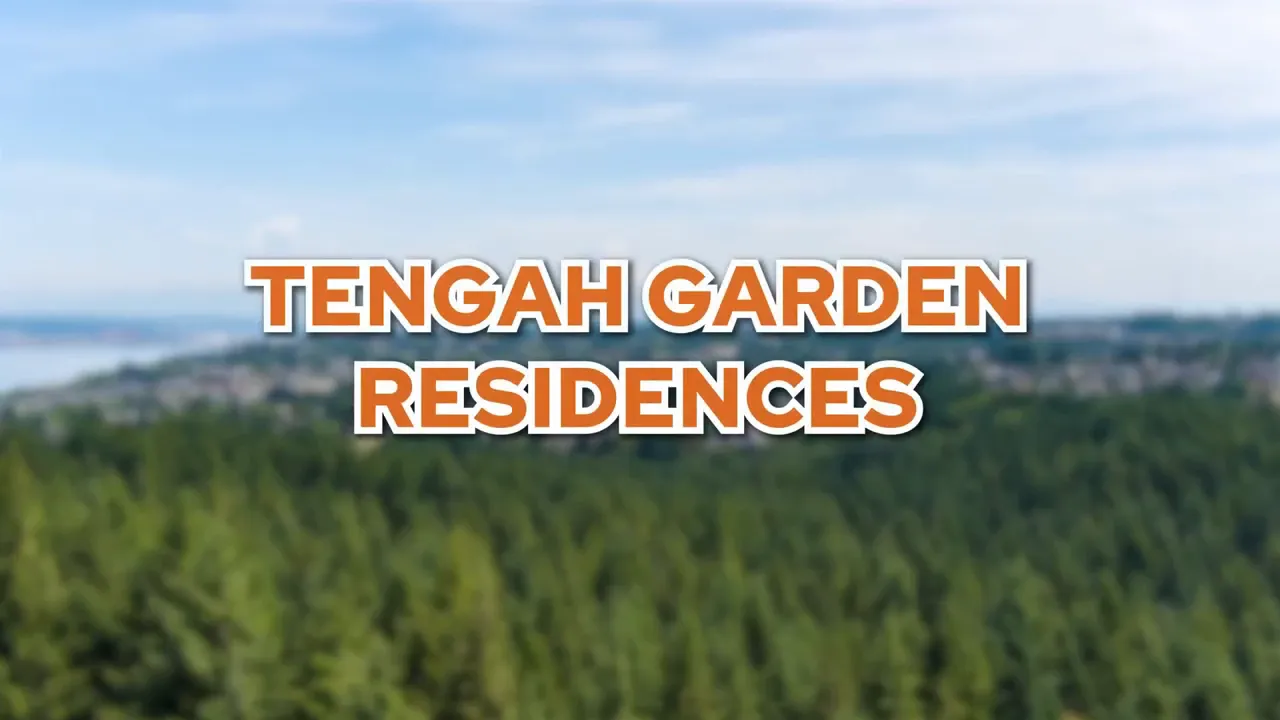
Terence, Vice President for Residential Projects at Orange Tea, describes Tenggah Garden Residences as part of Singapore’s first forest town, with a focus on nature-centric living plus seamless connectivity. This is not marketed only as greenery for aesthetics. The “forest town” concept is framed as an overall planning system, including:
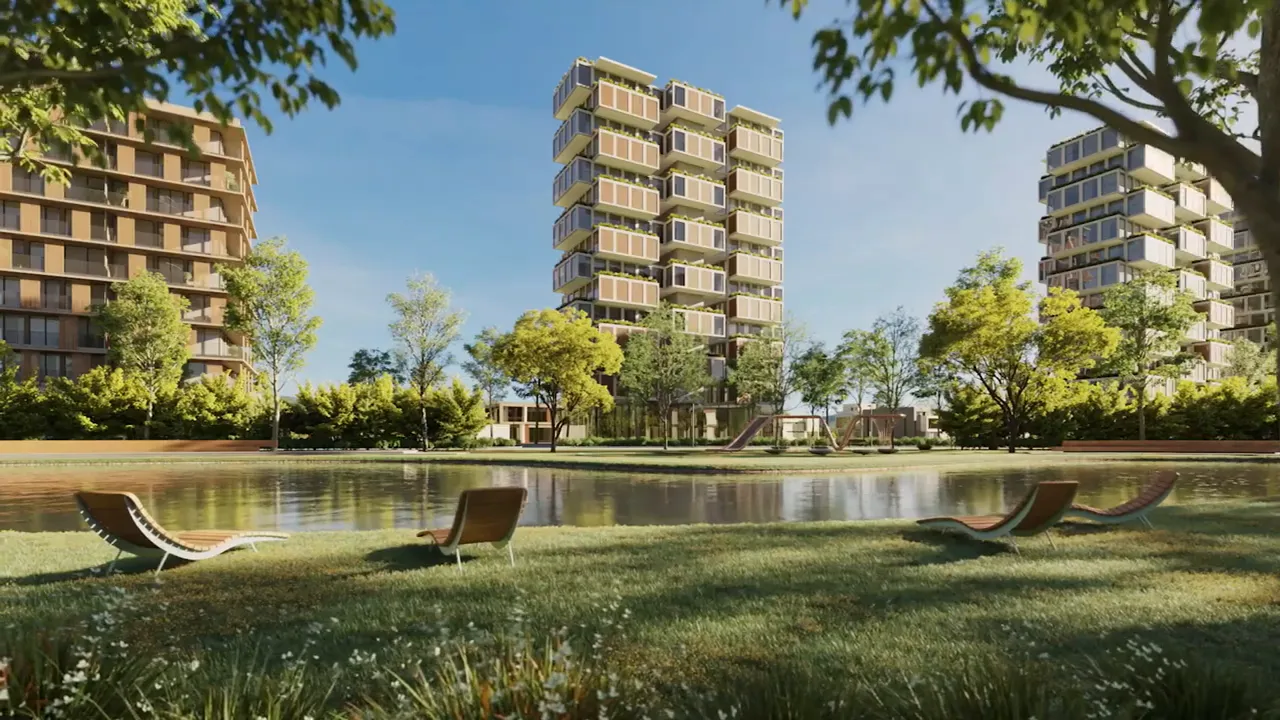
- green corridors that connect spaces
- walk-through neighbourhood clusters designed for daily movement
- pedestrian-safe precincts where nature becomes the backdrop to everyday life
The pitch is also more than design. It references how Singapore town planning has historically transformed older belts into thriving residential hubs.
Lessons from Punggol and Tampines 🏙️
Two examples are used to illustrate how an area evolves:
- Punggol: described as evolving from a quiet agricultural and fishing belt into a vibrant waterfront smart town, anchored by developments like Watertown and integrated living experiences.
- Tampines: described as growing from an early regional centre into a dynamic heartland, with launches such as Park Town Residence framed as transport-linked mixed development that elevated neighbourhood experience through retail, community spaces, and connectivity.
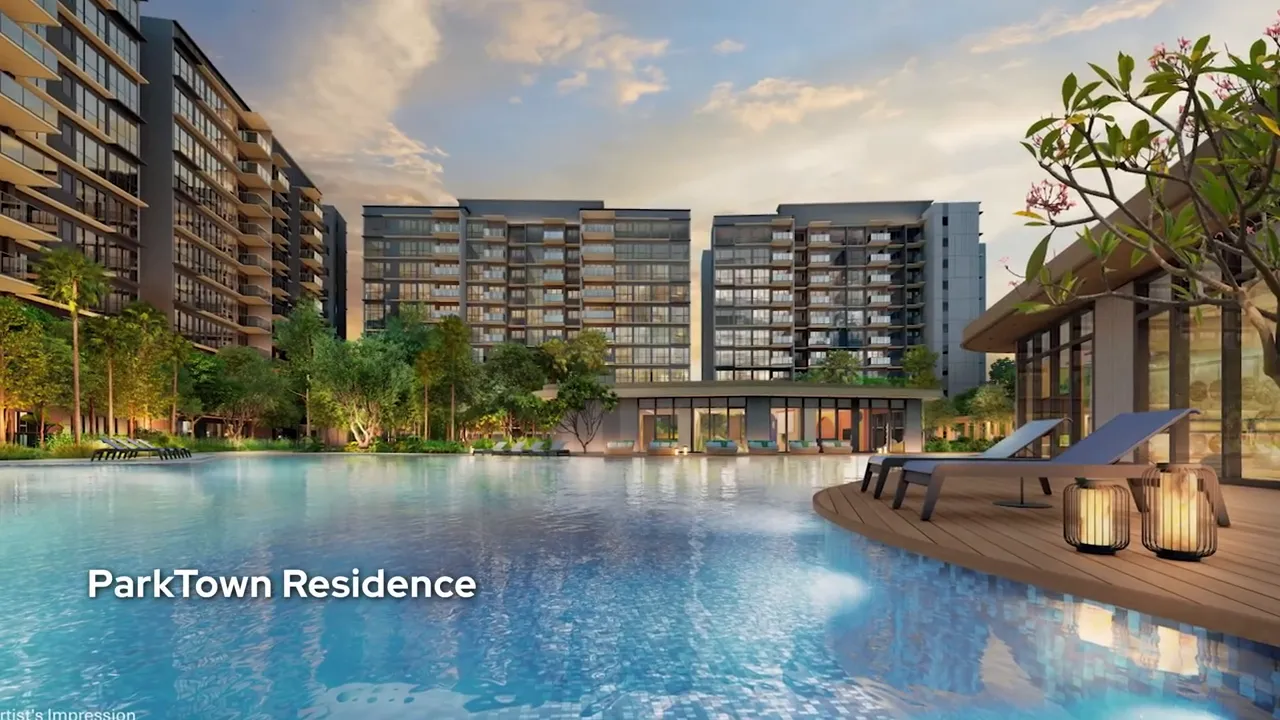
The common thread is that town transformation is not just about buildings going up. It is about creating an integrated ecosystem that gives residents reasons to choose the area and stay there.
For your Tengah Garden Residences Review, this is important because forest towns are, in a sense, “town-making projects”. If they succeed, the neighbourhood itself becomes a product, not just a postcode.
What “Forest Town” means in practical resident terms 🚶
The transcript translates the concept into daily experience:
- shaded promenades and park connectors
- cycling networks linking neighbourhood clusters
- healthier, more balanced living habits supported by the built environment
From an investment perspective, these lifestyle details matter because they influence who stays nearby, who rents, and who chooses to buy for the long term.
6) Connectivity That Feels “Seamless”: Hong Kah MRT at Your Doorstep 🧭
The forest town concept is often criticised as “nice but not useful” by purely financial buyers. That criticism usually misses the point that the best town planning combines beauty and convenience.
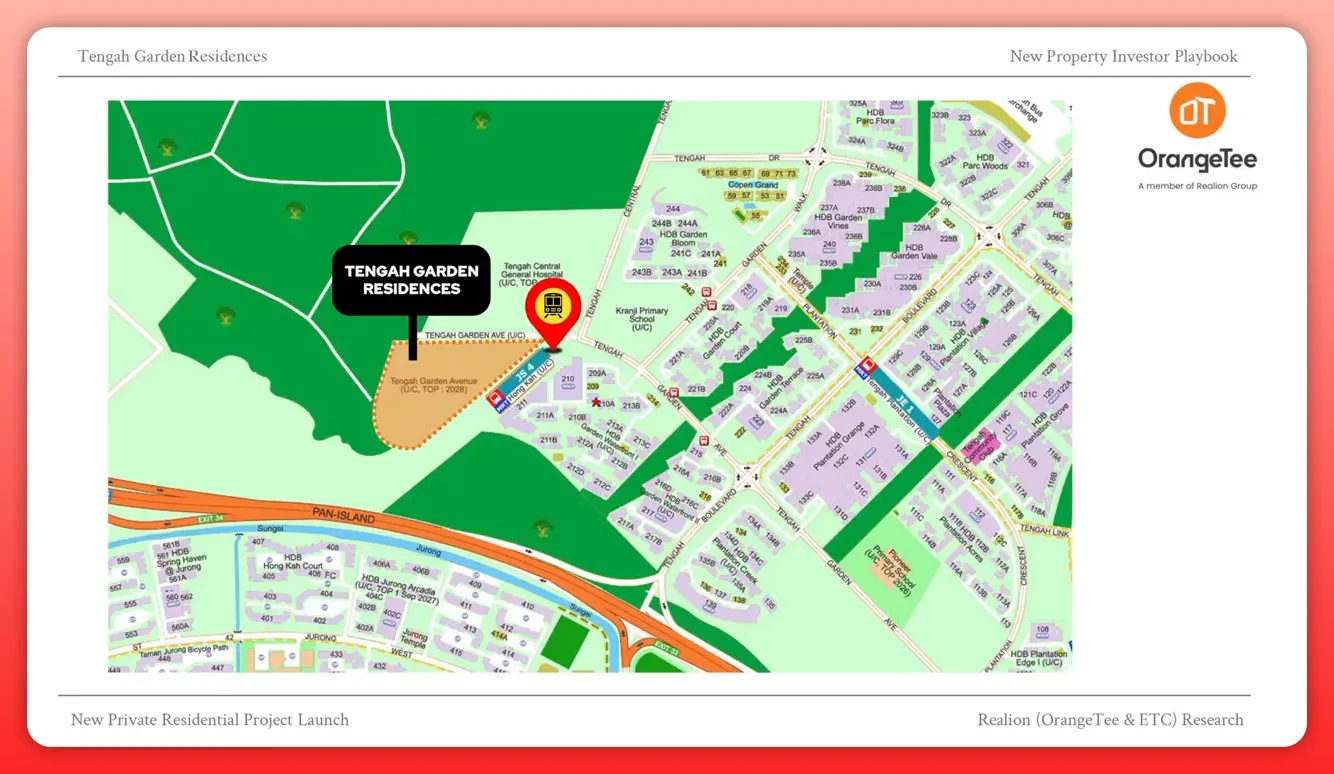
Tenggah Garden Residences, as described, is within walking distance to the upcoming Hong Kah MRT station on the Jurong Regional Line. The transcript states:
- walking distance to Hong Kah MRT station
- access to key regional precincts such as Jurong Lake District
- links to major employment hubs across the west and central areas
The wording also emphasises that “serene living doesn’t come at the expense of seamless links”. That is exactly the buyer dilemma many people feel:
Can I live in a quieter, greener environment, and still move around efficiently for work and lifestyle?
In a rental market, that question directly impacts demand. Tenants tend to favour residences where commuting is predictable, and transport plus amenities makes a home more defensible as a long-term rental.
7) Mixed-Use Living: Convenience, Community, and Lasting Value 🛍️
Another key point in the transcript is that Tenggah Garden Residences is part of an upcoming mixed-use development, envisioned as a living neighbourhood.
The imagined “daily ecosystem” includes:
- retail
- dining
- communal spaces
- recreational zones
- everyday conveniences
In plain English, the argument is that homes do not stand alone. They perform better when the surrounding environment supports daily routines.
Over time, mixed-use neighbourhoods can strengthen:
- rental demand because residents can live closer to what they need
- tenant mix because the area attracts a broader range of lifestyles
- community stability which can indirectly support capital resilience
8) What This Means for Your Investment Thesis (Without Overpromising) ⚖️
A solid Tengah Garden Residences Review should be realistic. Historical data from other districts can guide your assumptions, but it cannot guarantee the same outcome.
What we can do is convert the insights into a structured investment checklist.
Investment checklist for a forest-town, 99-year leasehold condo 🧩
- Capital growth baseline: Look for districts with sustained price appreciation for new condos over long periods. District 22 and 23 have shown strong median growth over the decade.
- Profitability evidence: If a large majority of leasehold transactions in the segment were profitable, it suggests the market supports leasehold pricing structures rather than punishing them.
- Rental uplift signal: Rental ramps of around 57% for District 22 and 23 from 2020 to Q3 2025 indicate demand can strengthen materially over time.
- Infrastructure timing: A clear rail milestone like JRL phase completion in 2026 supports the “re-rating” thesis.
- Town-making quality: A forest town must be more than greenery. The planning has to produce daily convenience and community depth.
If Tengah Garden Residences delivers on the connectivity and the neighbourhood ecosystem, then the historical outcomes observed in other districts become more relevant to your forward assumptions.
9) Practical Buyer Guidance: How to Think About Returns 🔍
Returns in property are often discussed as a single number. Realistically, they are made up of multiple phases:
- Entry phase: you buy, and the unit’s value starts tracking future demand expectations.
- Transition phase: construction and nearby development bring more activity, and early leasing can test market appetite.
- Confirmation phase: when rail and amenities become “real”, demand often strengthens more visibly.
- Stabilisation phase: the neighbourhood’s reputation grows, and rental demand can become more consistent.
The transcript’s numbers about profitability and rental growth help you estimate what a “successful path” can look like in comparable contexts. But the most important step is choosing an acquisition that matches your time horizon.
Here is a simple way to align your strategy:
- If you are more capital-focused: emphasise location, future transport outcomes, and the strength of neighbourhood desirability.
- If you are rental-focused: emphasise rental ramp likelihood, tenant pool convenience, and how quickly amenities and connectivity become functional.
- If you are balancing both: choose a unit type and pricing that gives you downside resilience while still leaving upside room as infrastructure matures.
10) Video Embed
Below is an embedded reference for the key themes and statistics discussed in this Tengah Garden Residences Review:
FAQ: Tengah Garden Residences Review Questions Buyers Ask Most ❓
Is Tengah Garden Residences likely to benefit from the Jurong Region Line timing?
The thesis in this review aligns with how rental and demand tend to re-rate around major rail milestones. The transcript highlights JRL phase completion in 2026 and positions Tengah Garden Residences close to Hong Kah MRT. If the station delivery and surrounding development progress as planned, it can support stronger tenant demand and rental pricing.
What do District 22 and 23 statistics suggest about leasehold condo profitability?
Over the decade, more than 95% of leasehold transactions in the relevant dataset were profitable. Additionally, a meaningful portion produced large gross profits, with over 21% of profitable units generating at least $300,000, and smaller counts reaching $500,000 and $700,000 thresholds. This suggests leasehold can still deliver positive outcomes for many buyers when demand and product quality align.
How important is rental growth compared to capital appreciation?
Both matter, but rental growth can reduce risk during the holding period and provide cashflow support. The transcript cites median condo rental “ramps” rising about 57% from 2020 to Q3 2025 in District 22 and 23, indicating that connectivity and neighbourhood maturity can strengthen rental pricing substantially.
Does the forest town concept actually influence investment value?
It can, because forest town planning aims to create everyday livability through green corridors, pedestrian-safe precincts, and integrated neighbourhood clusters. If residents find the environment genuinely convenient and attractive, it can support tenant demand and long-term desirability, which indirectly helps both rentals and capital values.
What should I look for when comparing Tengah Garden Residences with other nearby options?
Compare not only price and unit size, but also: (1) proximity to the rail station and expected timing of completion, (2) strength of the neighbourhood’s mixed-use ecosystem, (3) rental target tenant pool and likely rental ramp, and (4) exit liquidity and how the unit fits the demand profile when the market matures.
Is it safer to assume returns will match historical averages?
Historical averages are useful for scenario-building, but property returns are not guaranteed. Market cycles, interest rates, supply levels, and the specific unit attributes can change outcomes. Use the statistics to set expectations, then stress-test your assumptions under different scenarios.
Final Thoughts: The Best Tengah Garden Residences Review Conclusion Is a Question 🧠
The strongest takeaway from the District 22 and 23 evidence is that sustained price growth and generally profitable leasehold outcomes are not myths. They are historical patterns that show up when demand builds over time and when connectivity and neighbourhood desirability strengthen.
Tengah Garden Residences is essentially betting on two stacked drivers: a transport-led connectivity upgrade via Hong Kah MRT on the Jurong Region Line, and a town-making approach through the forest town concept and mixed-use living.
The right question for your purchase decision is not “Will returns happen?” The right question is: “Does this development’s plan create real, repeatable demand from renters and end-users once infrastructure and amenities become fully functional?”
If the answer feels convincingly yes, then Tengah Garden Residences Review becomes less about hype and more about a structured investment thesis rooted in what similar areas have demonstrated before.
Disclaimer: The information provided here is for general guidance only. PropsBit.com.sg does not endorse or guarantee the suitability or accuracy of this information for your specific situation. Although we strive to ensure the content is accurate and reliable at the time of publication, it should not substitute personalised advice from a qualified professional. We strongly recommend not relying solely on this information for financial, investment, property, or legal decisions, and we disclaim any responsibility for decisions made based on this content.
This website’s information is meant solely for general informational use. PropsBit.com.sg and its authors disclaim all liability and responsibility to any individuals or organisations for any outcomes resulting from the use of this website’s content or the information presented here. PropsBit.com.sg reserves the right to add, remove, or change the website’s content at any time without prior notice.