Let's Shape The Future Of Your Investments!
Natoque iaculis cursus augue urna commodo aptent morbi tortor porttitor quis ornare.


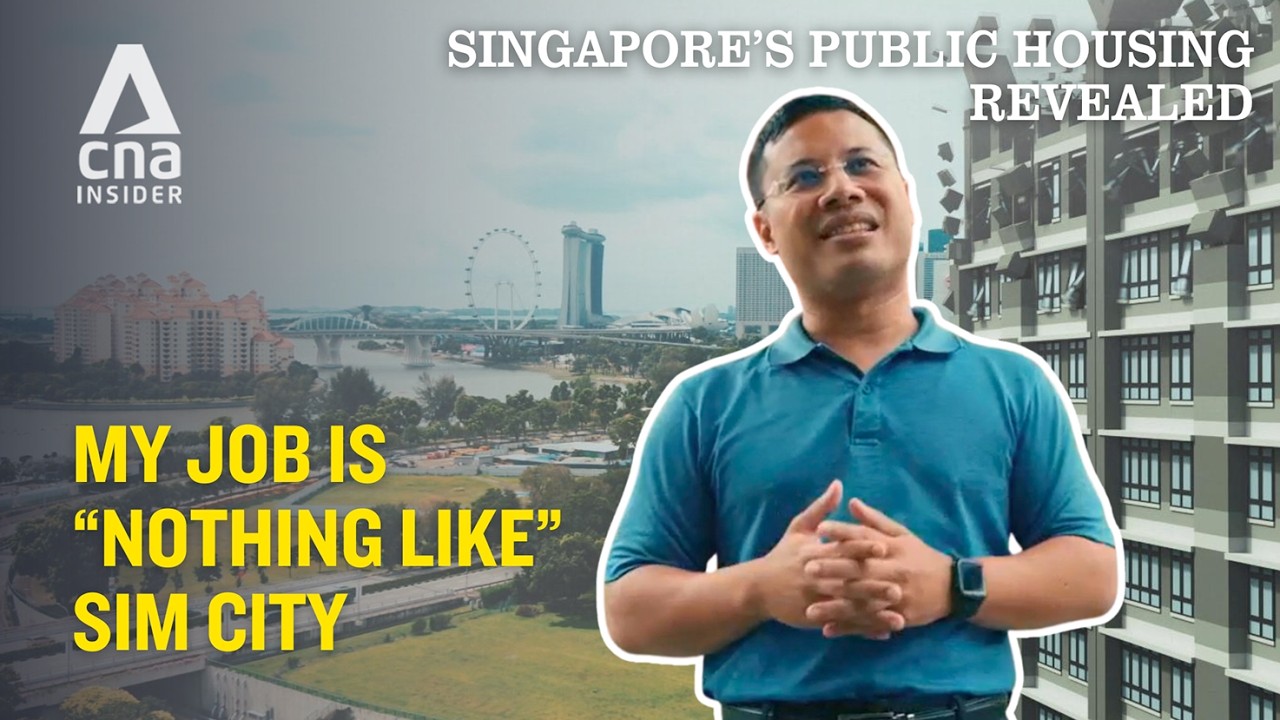
In this blog, we dive into the complexities of Singapore Public Housing, exploring the myriad challenges faced by the Ministry of National Development. From critical comments by citizens to the intricate balance of land use, we aim to shed light on how the government navigates the pressing needs of its residents.
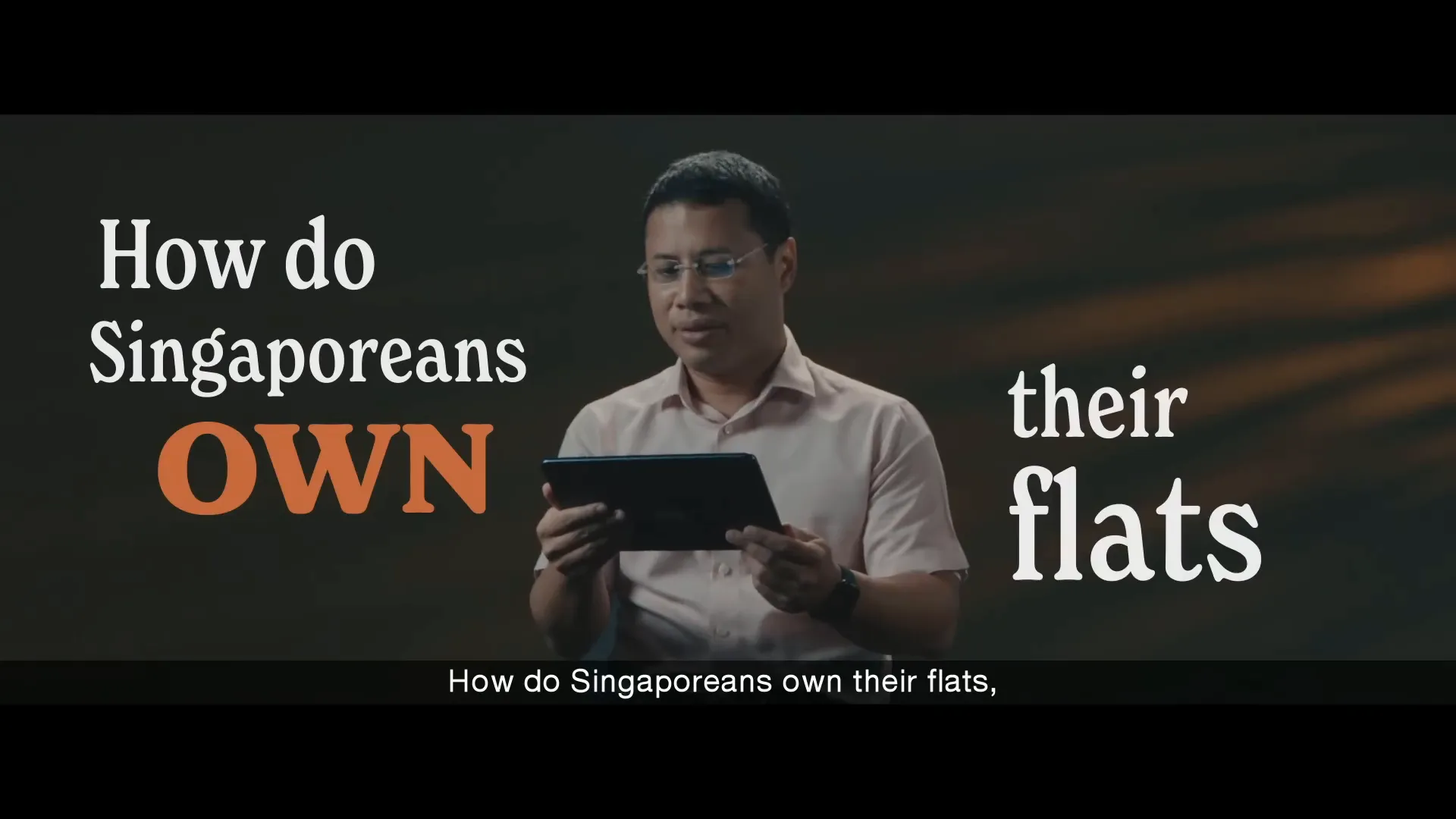
Addressing the concerns of Singaporeans is a priority for the Housing Minister. Recently, a collection of burning questions and critical comments was gathered from citizens regarding public housing. These comments reflect genuine concerns, ranging from ownership issues to affordability challenges.
Many Singaporeans feel that obtaining a BTO flat resembles a lottery win, highlighting the intense competition and long waiting times. Questions arise about the implications of a 99-year lease on property value and the ability to pass down homes to future generations. The sentiment is clear; people want to feel secure in their housing situation.
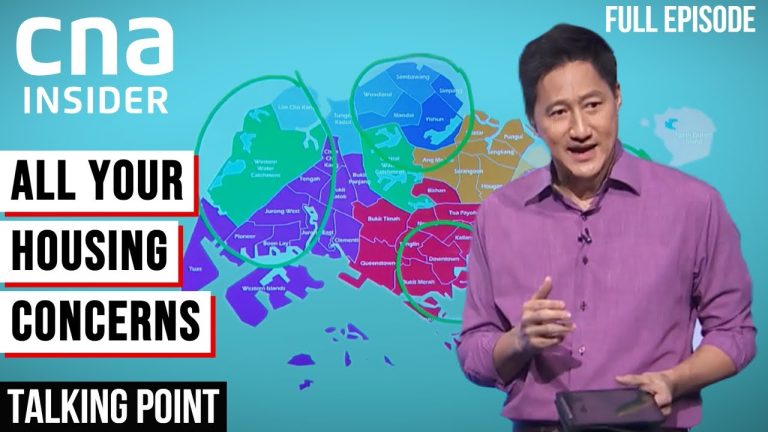
Singapore’s unique geography and limited land resources present significant challenges in urban planning. The nation is a mere 733 square kilometers, where land is tightly allocated. Approximately 14% of land is designated for housing, yet 80% of Singaporeans reside in public housing.
The balance between residential needs and other functions like green spaces, industry, and commerce is delicate. About 11% of land is reserved for sports, while 12% is allocated for industry. This careful distribution underscores the importance of making informed decisions about land use.
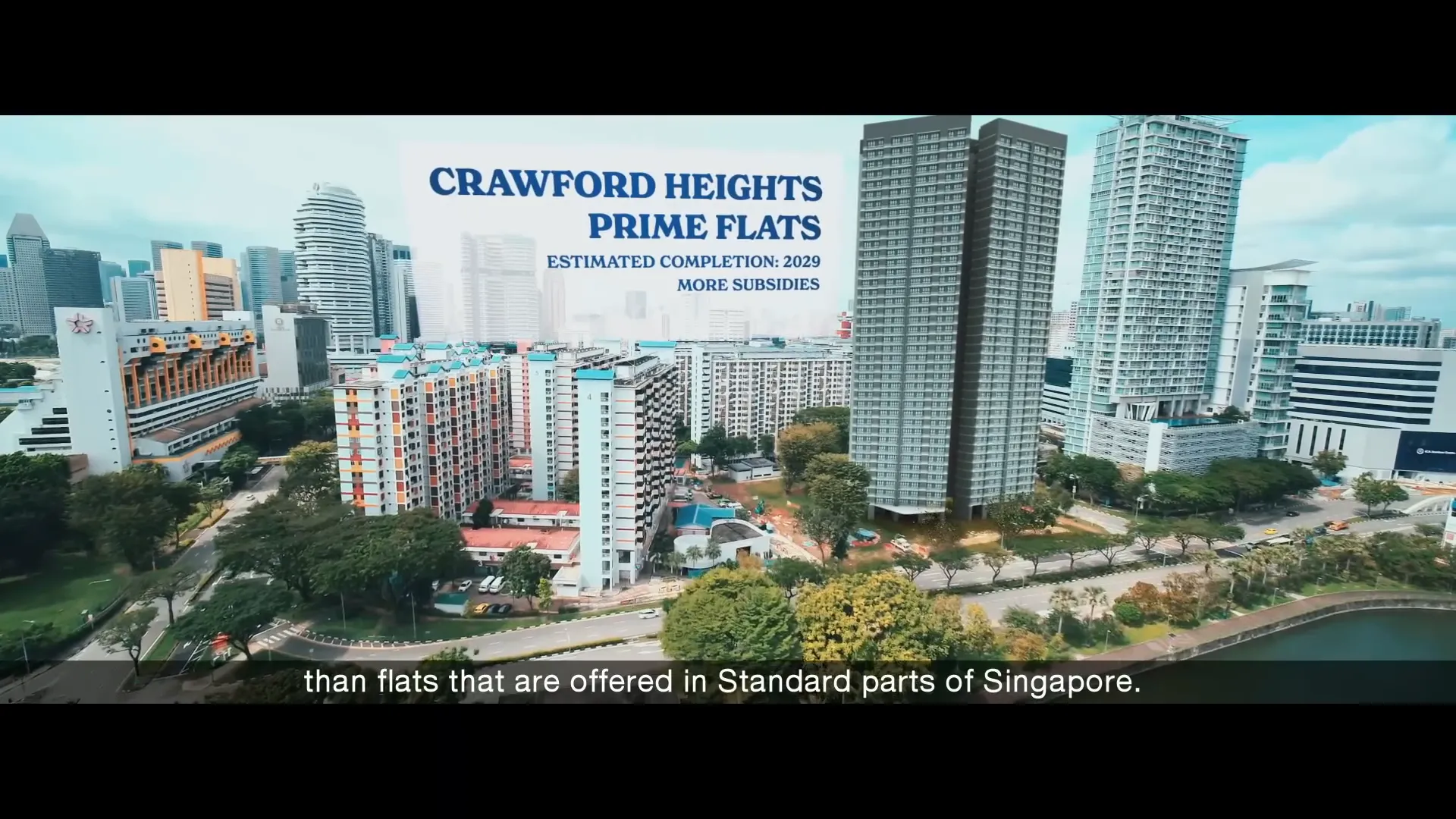
Competitive locations in Singapore pose a challenge for public housing. The recent introduction of the prime flat classification aims to make housing in desirable areas accessible. Prime flats come with more subsidies but also stricter conditions.
Without initiatives like the prime classification scheme, launching public housing in these sought-after areas would be nearly impossible. It’s crucial to ensure that housing remains within reach for a diverse population while preventing further stratification based on income.
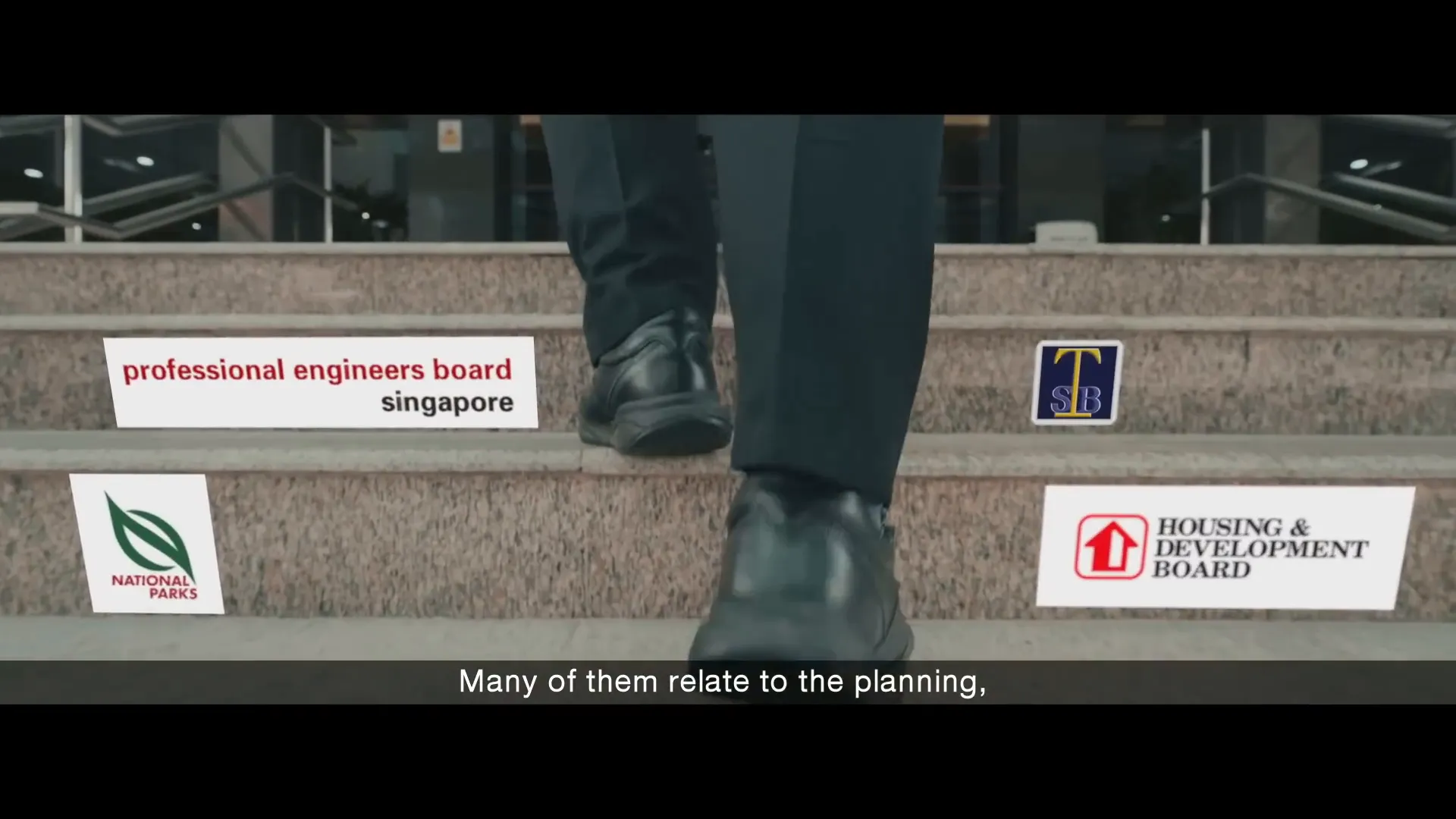
Each day for the Housing Minister is filled with diverse responsibilities. From early morning meetings to late-night emails, the workload is extensive. Overseeing ten agencies, the Minister’s focus is largely on housing, which constitutes about 75% of their work.
Meetings with social workers, contractors, and architects are routine. The Minister’s role is not just administrative; it requires engaging with the community to understand their needs and aspirations.
The concept of leasehold ownership is a distinctive feature of Singapore’s housing landscape. Residents own their homes for a duration of 99 years, which allows for periodic rejuvenation of public housing. This leasehold structure is essential for maintaining inclusivity and accessibility, preventing the perpetuation of inequalities in desirable locations.
While this model may seem limiting, it ensures that housing remains dynamic and adaptable to changing needs within the community.
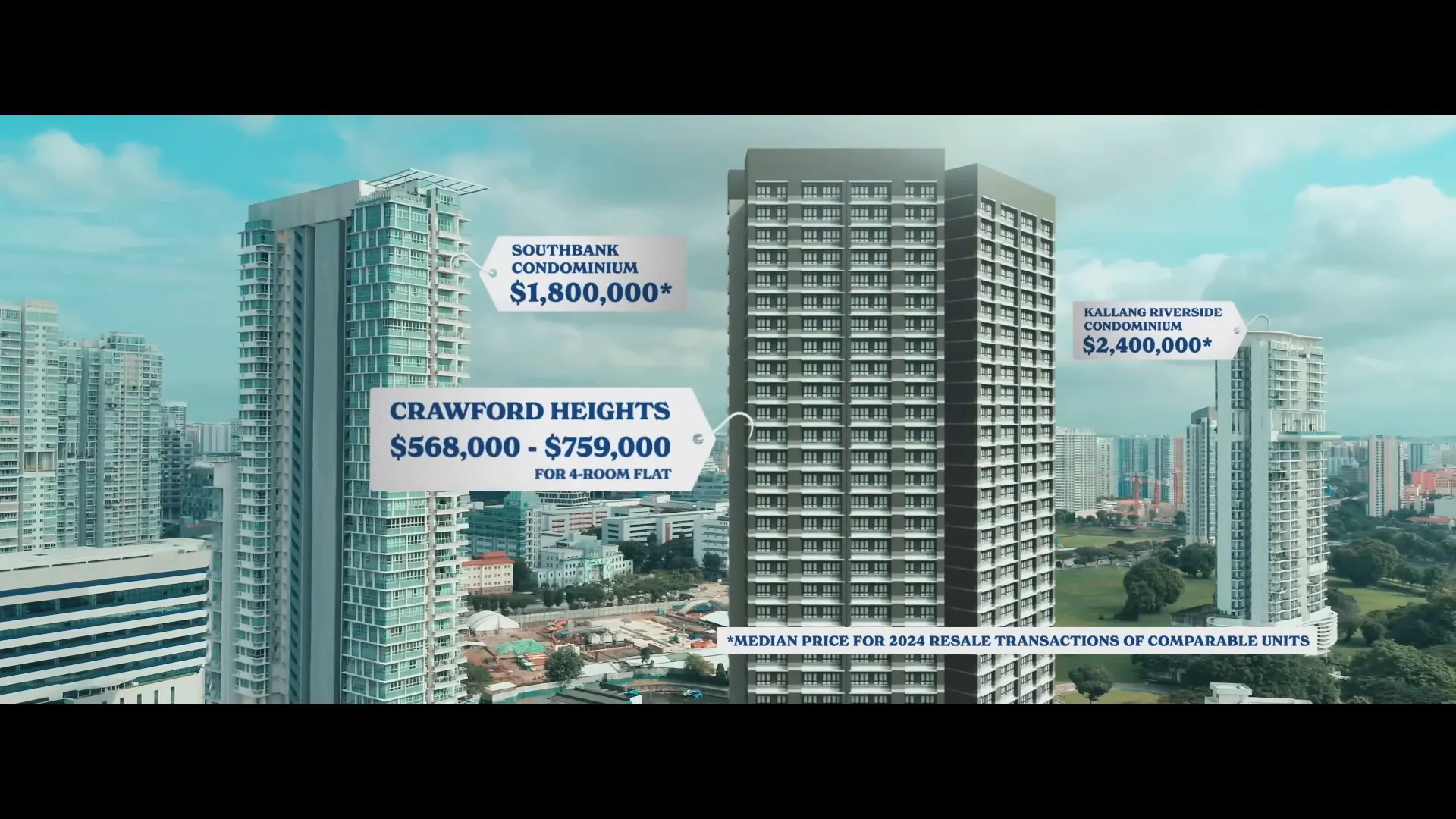
The Housing and Development Board (HDB) has been facing growing deficits, a trend that raises important questions about sustainable housing policies. Despite increasing construction and subsidies, the financial challenges persist. These deficits result from a commitment to affordability, where HDB prices are set not to recover costs but to ensure accessibility for all Singaporeans.
Public resources are invested to help citizens own homes, with many first-time buyers paying little to no cash upfront. This approach is aimed at maintaining social mobility and ensuring that housing remains a cornerstone of Singaporean life.

Affordability is a critical concern for many Singaporeans. The government understands this sentiment and aims to ensure that housing remains accessible. HDB flats are priced not to recover costs but to be within reach of various income segments.
Currently, the price of a flat is designed to reflect about 25% of a household’s monthly income. This means that the majority of first-time buyers can purchase their homes with little to no cash upfront, relying primarily on their CPF savings. This model promotes financial stability and ensures that families can still manage other household expenses.
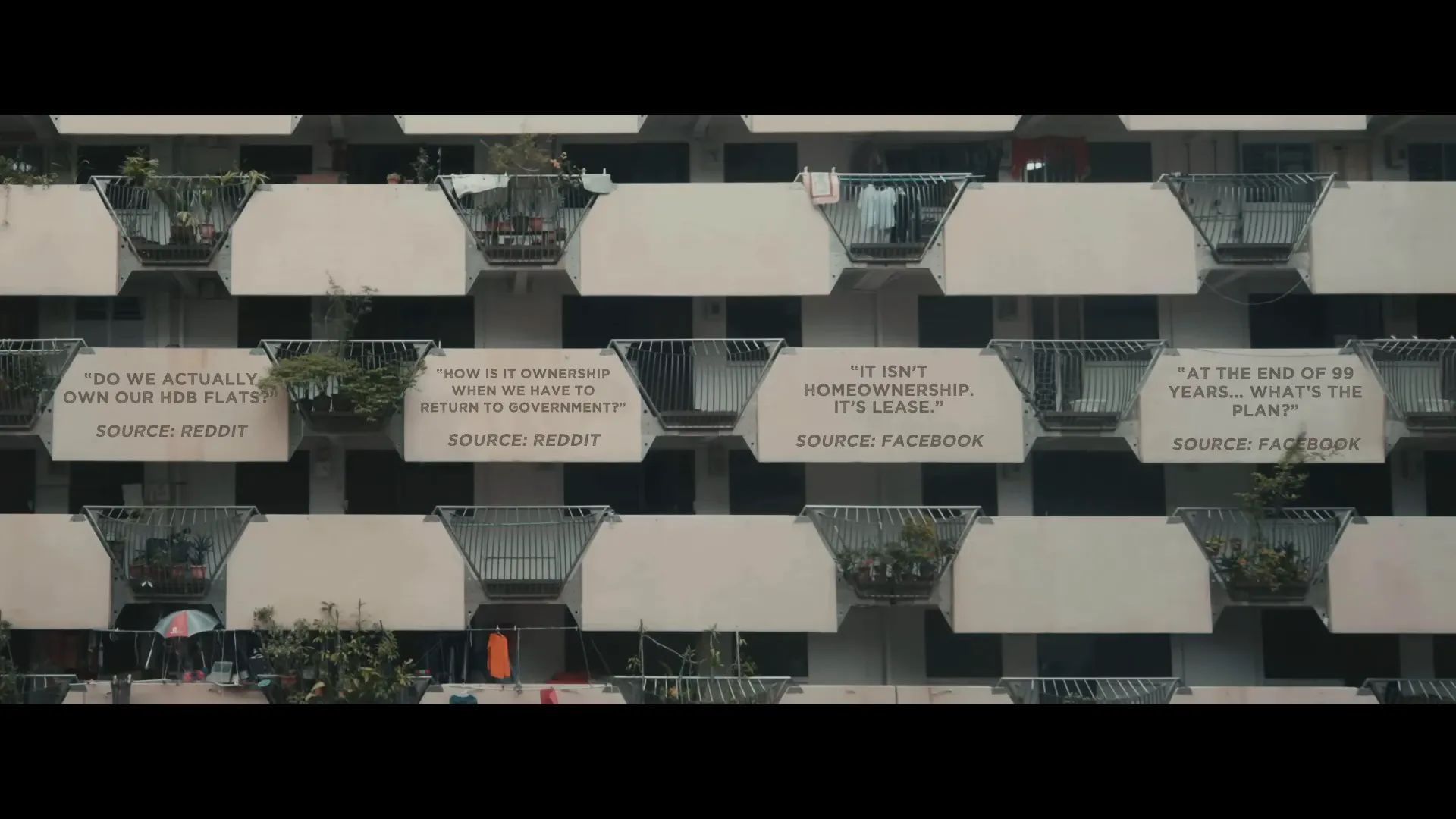
Many residents express concerns about the long-term implications of financing their homes through loans. While it may seem daunting to commit to a 20-year loan, the government provides various support measures to ease this burden.
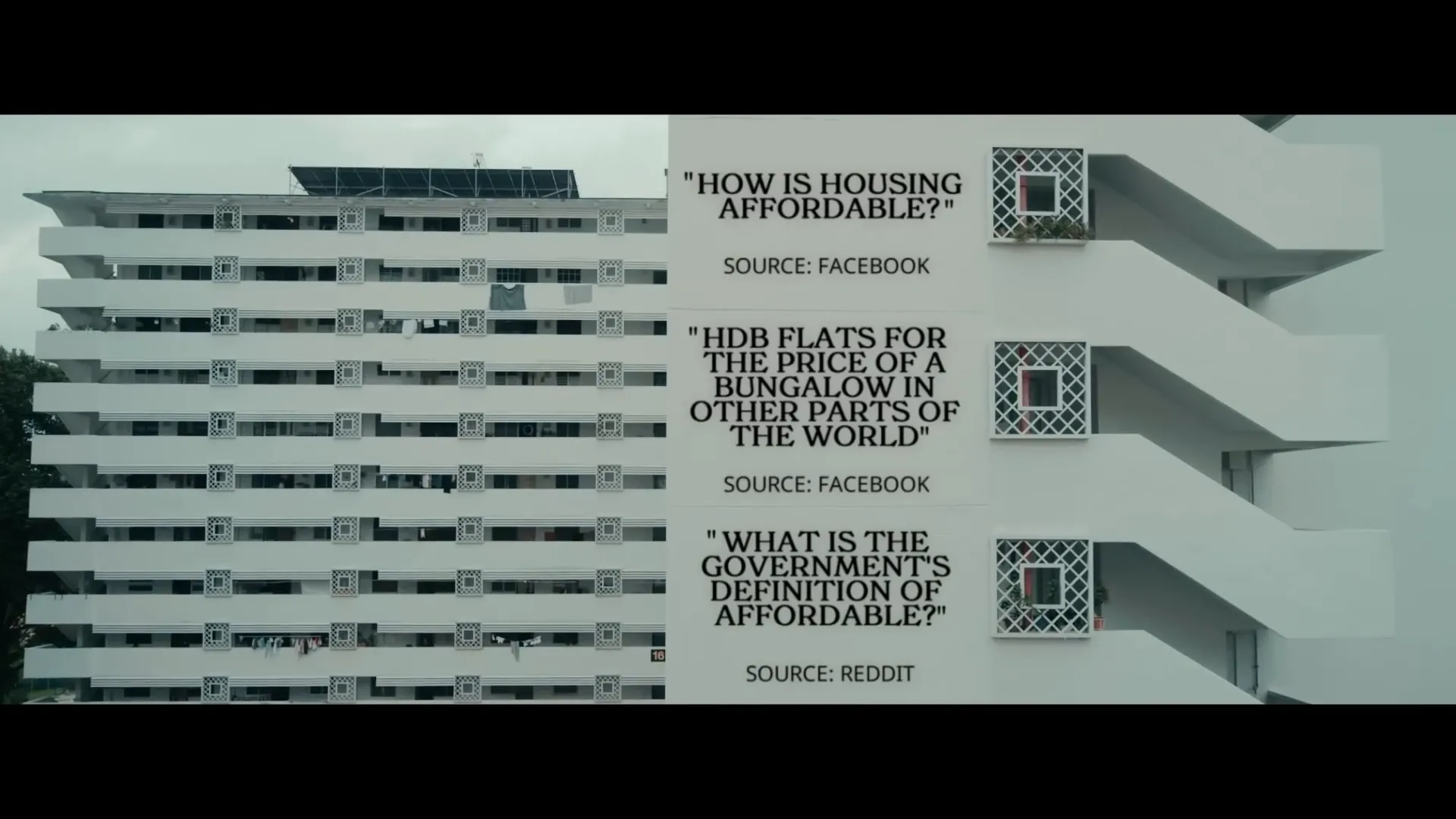
The balance between conservation and development is a nuanced issue in Singapore. As we plan for the future, we must consider the importance of preserving green spaces while also addressing housing needs.
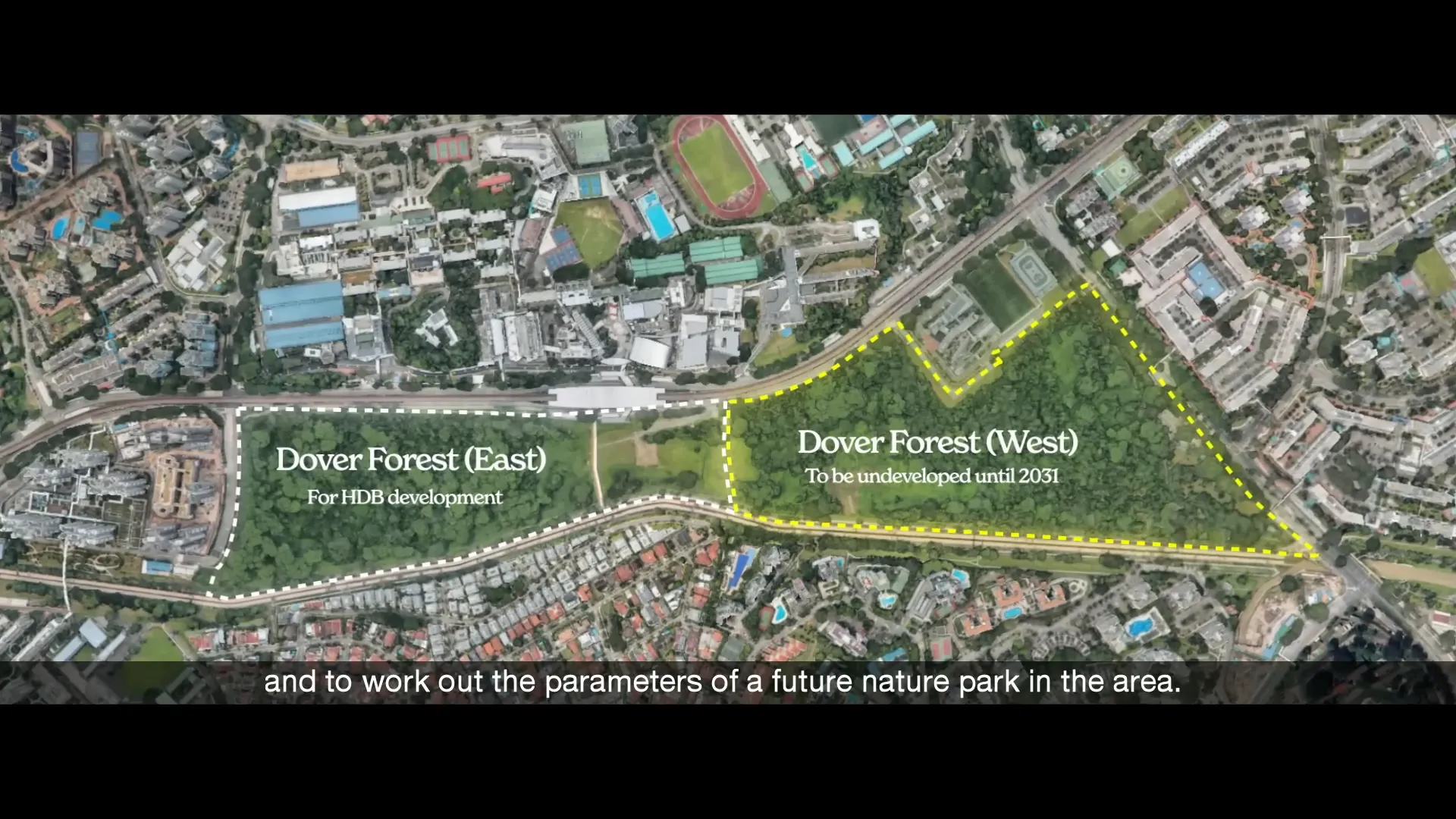
Take, for example, the Dover Forest decision. After much deliberation, the government opted to develop half the site while postponing the other half for ten years. This allows for reassessment and a potential future nature park, highlighting a commitment to both development and environmental conservation.
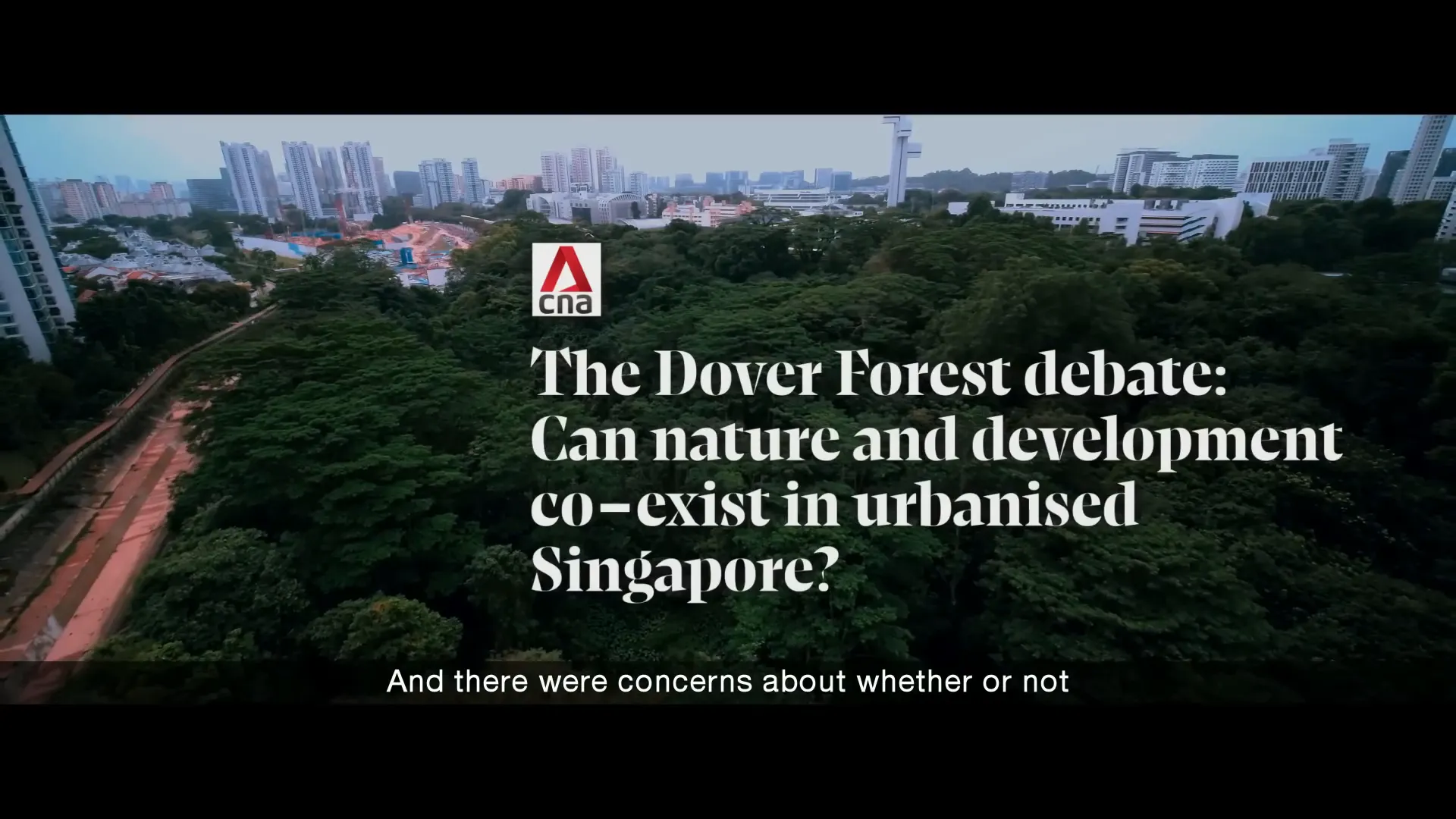
Conservation is not merely about preserving land; it’s about maintaining our identity and heritage. The integration of nature into urban planning enhances the quality of life for residents and fosters community spirit.
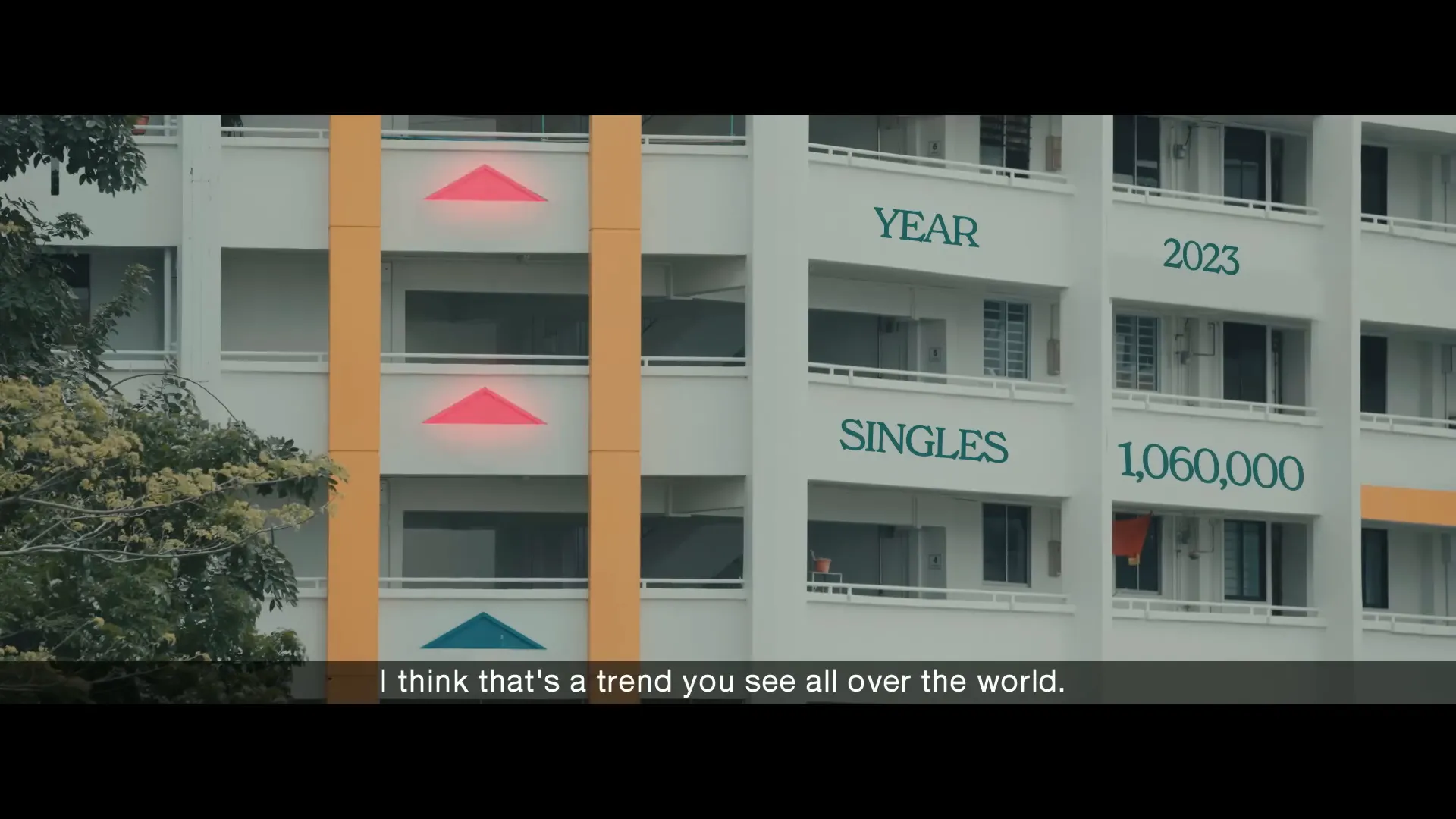
Looking ahead, Singapore’s public housing landscape must evolve to accommodate an aging population and a growing number of singles. Future-proofing our housing is essential to ensure that all demographics can thrive.
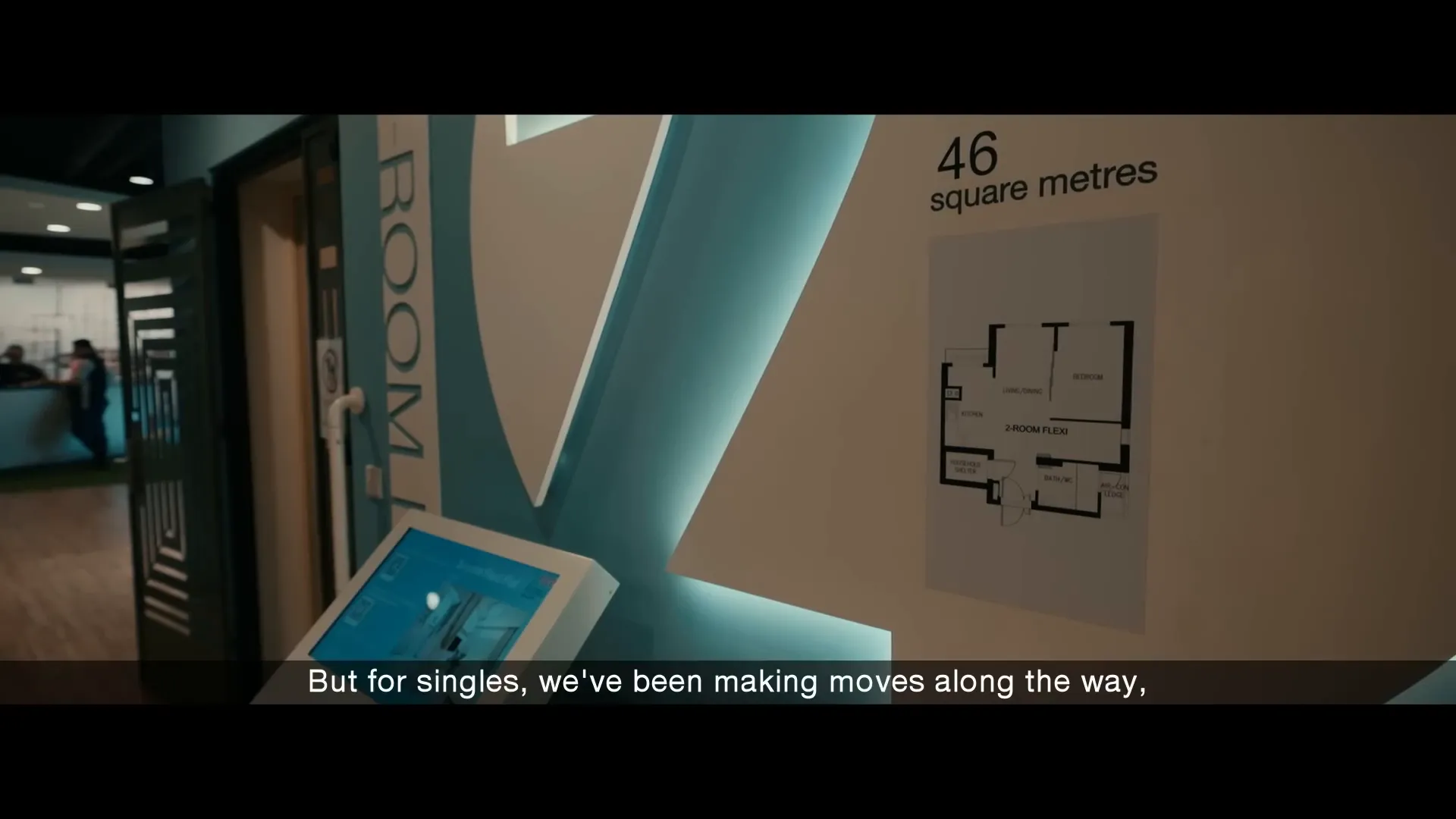
Plans are underway to create more inclusive environments, such as offering two-room flats to singles and enhancing grants to facilitate their entry into the housing market. This approach recognizes the changing dynamics of family structures and societal needs.
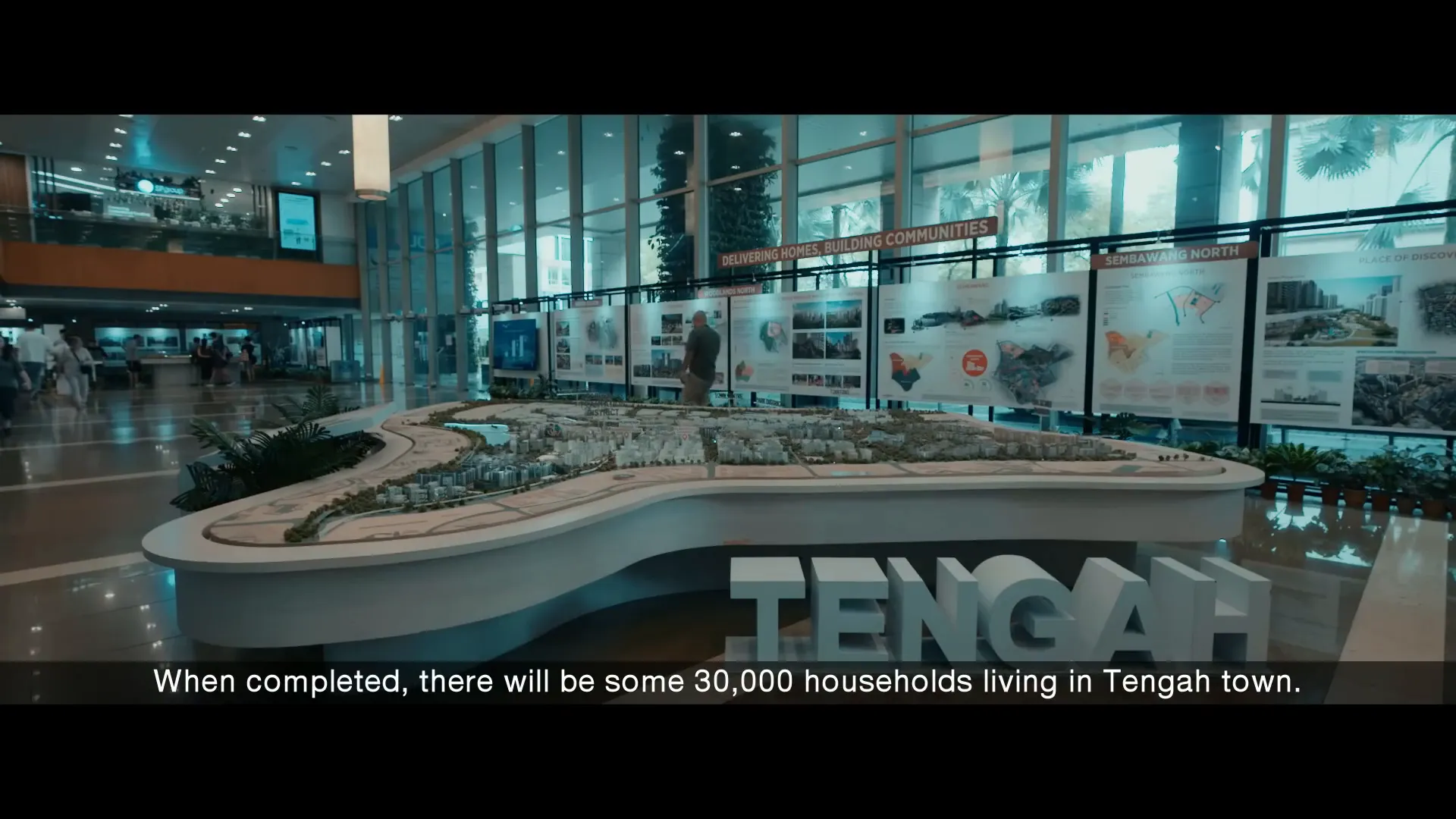
Urban planning in Singapore is not just about constructing buildings; it’s about integrating services and amenities that enhance the living experience. Projects like Tengah town showcase a holistic approach to community building.
As societal trends shift, the government is recognizing the need to expand housing access for singles. This demographic is growing, and their housing needs must be addressed adequately.
Recent initiatives include lowering the age for singles to apply for BTO flats and increasing the availability of smaller units. Such moves aim to create a more inclusive housing landscape that reflects the realities of modern life.
Plans for the future are ambitious. The relocation of the Paya Lebar airbase will free up significant land for housing, jobs, and green spaces. Similarly, the development of the Greater Southern Waterfront will ensure that central Singapore remains vibrant and accessible.
Waiting times can vary significantly based on location and demand. Generally, it can range from a few months to several years. The government is continuously working to reduce these times.
Yes, the government offers various grants and subsidies to help first-time buyers manage their home purchases effectively. These initiatives are designed to ease the financial burden associated with buying a home.
In Singapore, HDB flats are sold on a 99-year leasehold basis. This model allows for periodic rejuvenation of housing stock, ensuring that homes remain accessible and do not perpetuate inequalities over generations.
Once the lease expires, the flat returns to the government. Residents can choose to renew the lease or redevelop the site, depending on future planning considerations.
Disclaimer: This information is provided for informational purposes only. PropsBit.com.sg does not endorse or guarantee its relevance or accuracy concerning your situation. While careful efforts have been taken to ensure the content’s correctness and reliability at the time of publication, it should not replace personalized advice from a qualified professional. We highly recommend against relying solely on this information for financial, investment, property, or legal decisions, and we accept no responsibility for choices made based on this content.